Technical route

Trigger capping machinery for spray bottles

Trigger sprayer closures need reliable cap orientation, dip-tube handling and bottle support. This guide explains the key selection points before you shortlist a machine.

Selection factors

How trigger capper selection works

The best route depends on whether caps are manually presented, bowl fed, automatically placed and tightened, or integrated into a complete filling line.

  • Closure style, cap diameter and trigger body shape.
  • Dip tube length, flexibility and ability to enter the bottle cleanly.
  • Container stability through the conveyor and gripping section.
  • Output target and operator involvement.
  • Changeover frequency across products, bottles and caps.
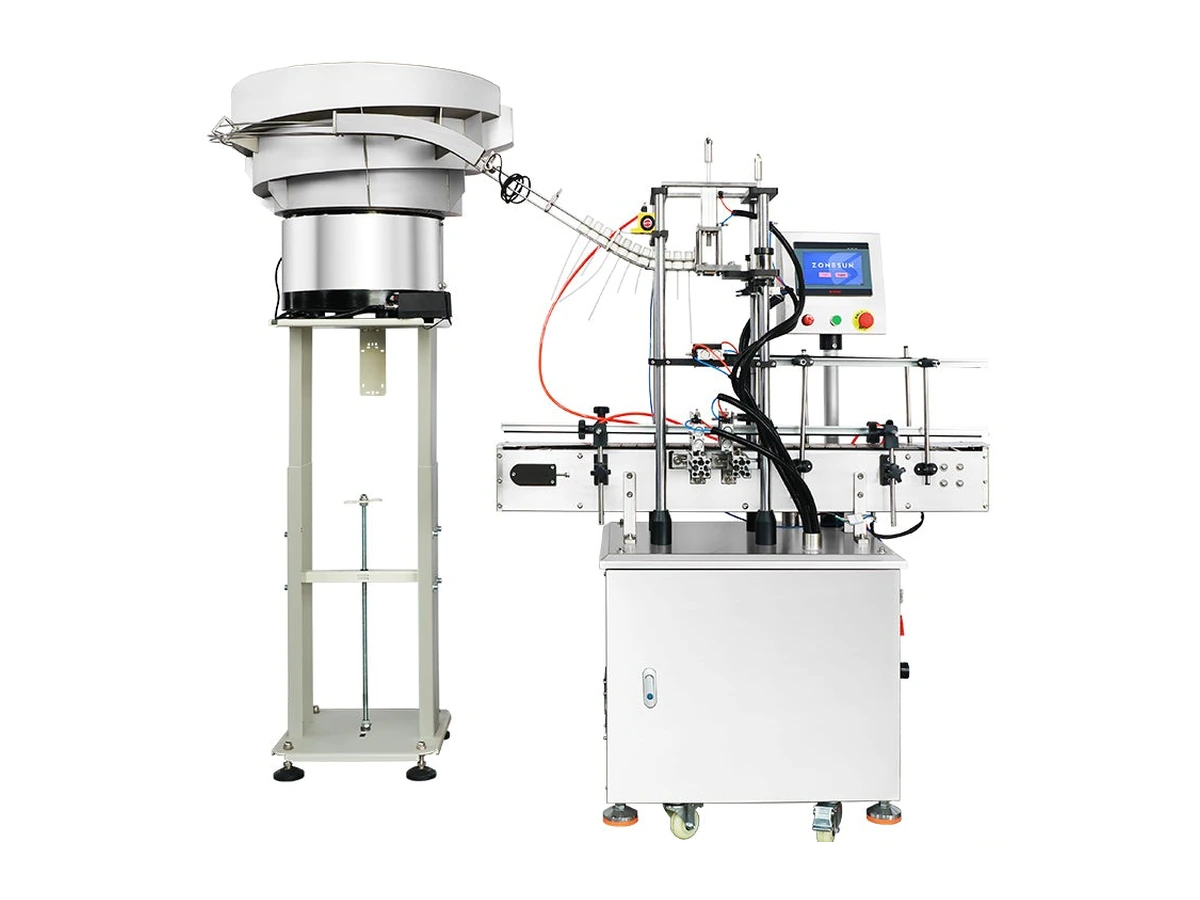
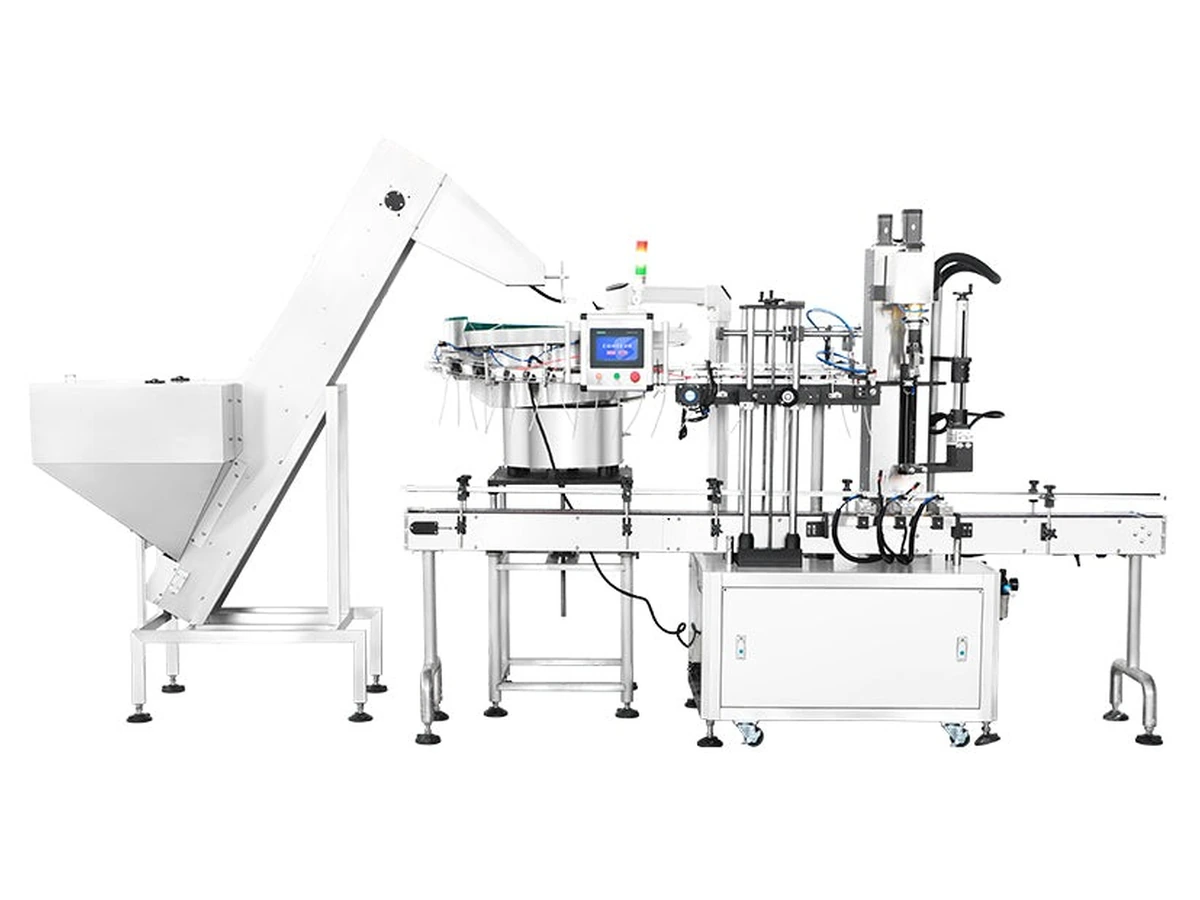
Automatic trigger capper with feed system

Shortlist

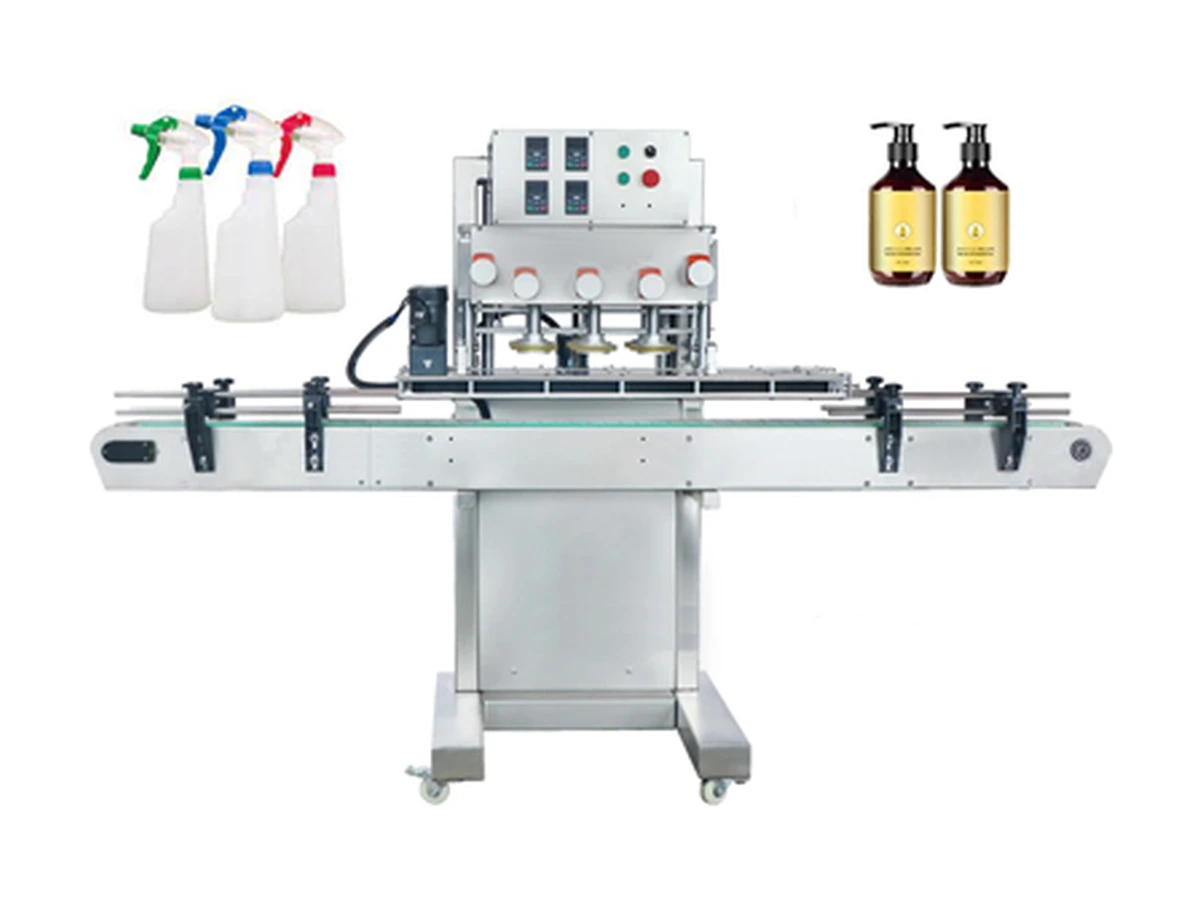
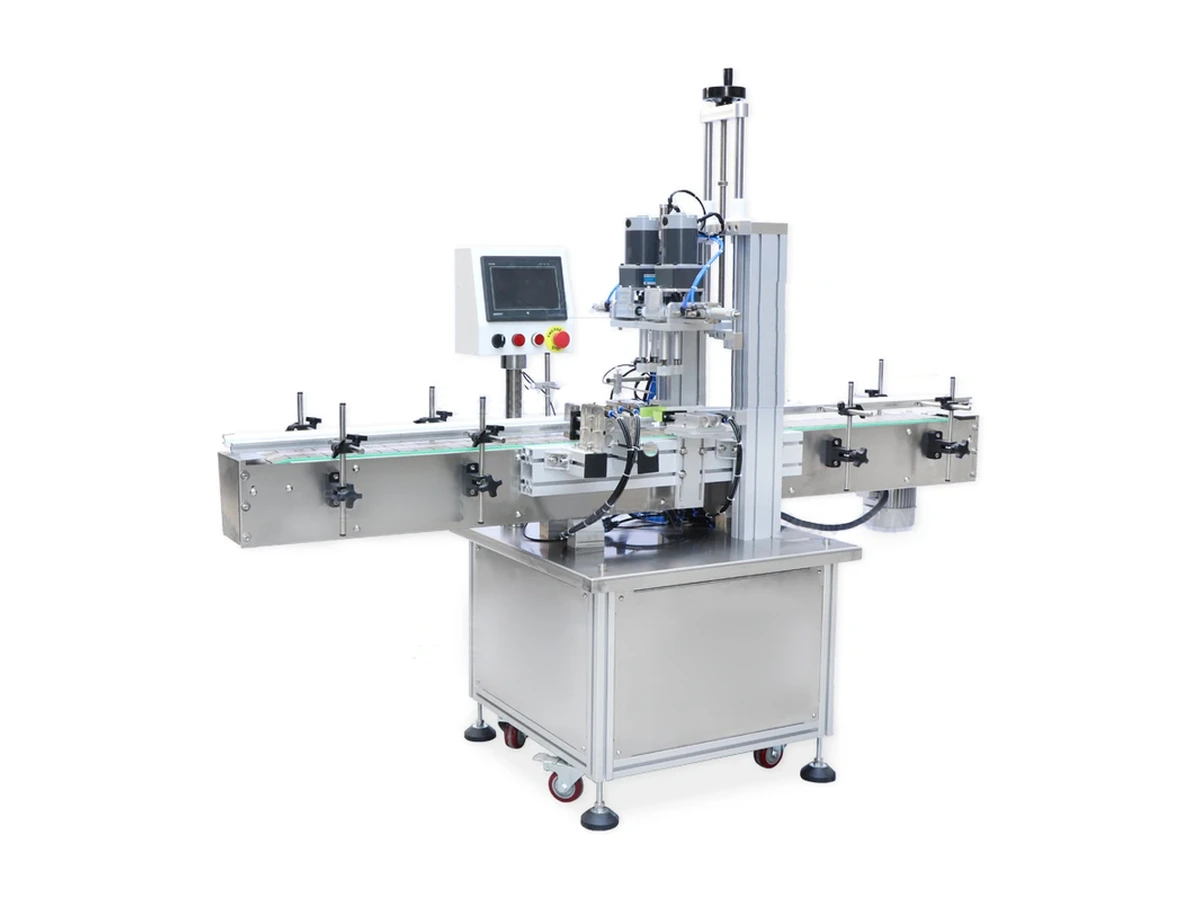
Relevant trigger and screw capping machines

These machines cover the usual routes from lower-volume cap feeding through to fully automatic capping.

Process

Typical project route

Confirm the samples

Review bottle, cap and dip tube, including tolerance variation across a production batch.

Check line conditions

Review conveyor height, bottle transfer, upstream filling and downstream labelling or coding.

Select automation level

Compare semi-automatic, compact, feeder-assisted or fully automatic capping options.

Confirm support scope

Agree installation, operator training, spare parts, change parts and commissioning requirements.

Technical buyer guide

The five machinery functions behind reliable trigger capping

Even when supplied as one guarded machine, trigger capping normally combines several distinct functions. Defining each function makes quotations easier to compare and reduces hidden assumptions.

1. Closure storage and feeding

A hopper, elevator, bowl or other feed system stores closures and meters them into the orientation process without tangling or damaging dip tubes.

2. Orientation and presentation

The trigger body and actuator must be presented consistently. Sensors and reject paths should deal with wrongly oriented or nested closures before placement.

3. Tube entry and cap placement

Guides, controlled motion and bottle support help the tube enter the neck cleanly before the thread is engaged.

4. Tightening and verification

The machine applies controlled rotation or torque, then checks cap height, presence, position or other agreed quality criteria.

Machine boundaryState whether the quote includes bulk loading, cap feeding, insertion, tightening, inspection and rejects.
ControlsConfirm recipe storage, alarms, fault history, line interlocks and access levels required by the site.
Change partsList the components needed for every bottle and closure format and how changeover settings are recorded.
GuardingDefine access doors, interlocks, safety circuits and the responsibilities for connection to adjacent machines.
DocumentationRequest manuals, drawings, electrical information, recommended spares and maintenance schedules.
TestingAgree samples, run duration, output, reject criteria and the evidence needed at factory and site acceptance.

Send your bottle and trigger cap details

We will help you compare the correct trigger capping route.

Functional architecture

Separate each machine function before assigning responsibility

A trigger capping line may be supplied as one guarded system, but reliable performance still depends on distinct feed, orientate, place, thread, tighten, inspect and recover functions.

FunctionQuestions for the specificationEvidence at trial
Bulk supply and bufferHow are closures loaded, how much buffer is required, and how is low level or starvation detected?Normal replenishment without uncontrolled loss of accepted output.
OrientationWhich trigger/nozzle direction is required and how are incorrect closures rejected or recirculated?Correctly presented closures, false accepts, recirculation and tube condition.
Transfer and dip-tube entryHow is the tube kept clear of guides and directed into the bottle neck?No kinks, cuts, trapped tubes or missed bottle entries across the sample range.
Placement and pre-threadingHow is the cap seated and the thread started before final torque?No cross-threading, cocked caps or displaced bottles.
TighteningWhich chuck, spindle or other contact method is used and how is bottle rotation controlled?Agreed torque and cap-height results without unacceptable marking.
Inspection and recoveryWhat causes a stop, how is the affected pack identified, and how is the line restarted?Controlled jam clearance, restart and first-off approval after interruption.

Trigger-specific ownership

This domain owns the combined problem of trigger orientation, dip-tube entry, placement and tightening. Keep those functions together when the closure cannot be treated like a simple round cap.

Feeder-only ownership

Where the requirement is only to store, sort and deliver closures to an existing capper, use Cap Feeders UK rather than creating a competing feeder page here.

Generic tightening ownership

Where caps are already presented and the project is primarily spindle tightening, use Spindle Cappers UK. For wider closure comparison, use Capping Machines UK.

Project evidence path

Move from a machine family to an acceptance-ready specification

Trigger capping machinery should be selected and accepted around the complete closure-handling sequence, the connected line and the finished-pack checks.

Describe the pack and format extremes

Identify bottle neck finish, filled weight, trigger geometry, tube length and curvature, required nozzle direction and the least stable or most difficult approved formats.

Assign each function

State which equipment stores, separates, orients, transfers, guides the tube, places, pre-threads, tightens, inspects and rejects the closure.

Define operating states

Agree ready, running, starved, blocked, fault and recovery behaviour with upstream and downstream machinery before controls are connected.

Prove the finished pack

Use accepted output, tube entry, thread engagement, cap height, torque or approved functional check, appearance and affected-pack control as the acceptance evidence.

Technical answers

Research the questions behind trigger closure handling

The question resource explains process sequence, pre-threading, orientation, cross-threading, inspection, recovery and operator start-up in crawlable technical guides.

Evidence chain

Move from pack definition to a controlled production record

A trigger capping project is easier to specify when each decision has a named input, a test method and an output that can be retained. The sequence below connects early compatibility work with trials, acceptance and routine production.

Project stageDecision to makeEvidence to retain
Pack compatibilityCan the bottle, neck finish, trigger body and dip tube be presented, supported and tightened without unacceptable interference?Drawings where available, approved component samples, format identity and a record of critical contact or clearance points.
Sample trialWhich machine route can process the agreed format range under representative loading, stop, restart and changeover conditions?Trial matrix, settings revision, accepted packs, defect record, interventions and limitations still requiring confirmation.
FAT and SATDoes the supplied system meet the agreed scope at the supplier and installed site?Approved protocol, witnessed results, open actions, retained samples and signed release status.
Production controlIs the process remaining stable when component lots, operators, line states and formats change?Run log, incoming component checks, first-off approval, inspection results, faults, rejects and recovery actions.
Call now01494 623015