Sample trial guide

How to build a trigger capping sample trial matrix

Plan a representative trial across bottle, trigger, dip-tube and operating conditions so the machine route is judged on accepted finished packs rather than favourable demonstration cycles.

Answer first

A trial matrix must cover formats, operating states and acceptance checks

A trigger capping sample trial matrix identifies every bottle-and-closure format, the production condition to reproduce, the machine states to exercise and the finished-pack checks that define acceptance. It prevents a decision being based on one easy sample, an empty mechanical cycle or a short uninterrupted run that does not include normal replenishment and recovery.

Build the matrix before samples are sent. Mark which combinations are typical, highest volume and most demanding for bottle stability, tube entry, orientation, thread start, tightening or changeover. Agree which conditions can be demonstrated at an early trial and which belong in the later factory or site acceptance protocol.

  • Use production-intent bottles and closures in normal packaging condition.
  • Include realistic fill mass or an agreed safe substitute.
  • Test normal replenishment, short stops, recovery and changeover.
  • Define accepted output by finished-pack checks, not machine cycles.
  • Record settings, component lots, interventions and retained samples.
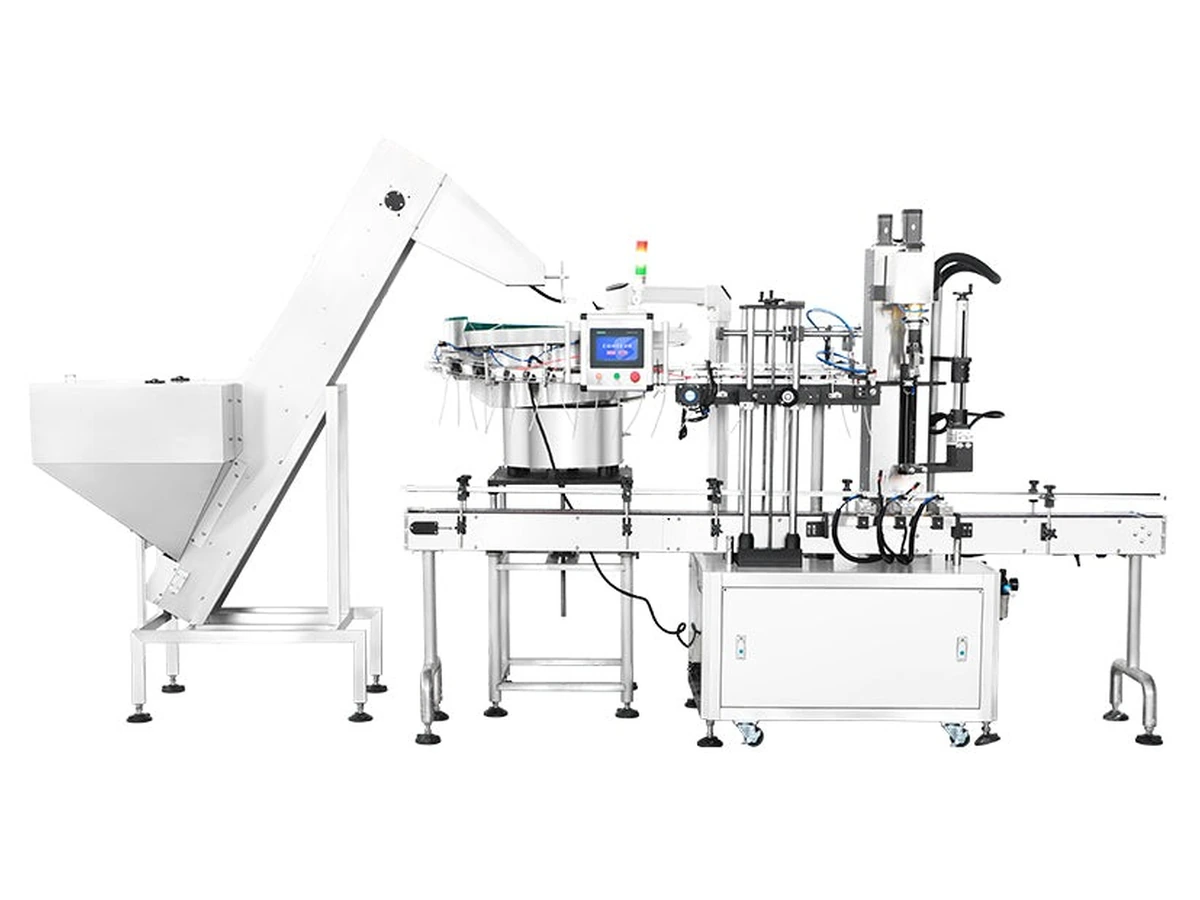
Automatic trigger sprayer capper used for representative bottle and closure sample trials

Format matrix

Identify every combination and the risk it represents

One format may be the worst case for stability while another is the worst case for tube entry or orientation. Do not force all risks into a single “largest” sample.

Matrix fieldWhat to recordTrial purpose
Format IDControlled name or code for the bottle, closure and dip-tube combination.Links results, settings, samples and later changes to the same format.
BottleSupplier/revision, material, dimensions, neck finish, filled weight and stability concern.Defines guides, clamps, side support and torque resistance.
Trigger closureSupplier/revision, thread, body geometry, nozzle direction, surface and packaging condition.Defines feeding, orientation, gripping, placement and cosmetic requirements.
Dip tubeAgreed length reference, material, outside diameter, end cut, curvature and attachment condition.Defines feeder clearance, circulation behaviour and bottle-entry risk.
Production conditionEmpty or filled state, product substitute where agreed, temperature/environment and normal component packaging.Makes the trial closer to routine handling and bottle stability.
Risk labelTypical, high volume, least stable, longest/flexible tube, most difficult orientation, tightest clearance or largest changeover.Shows why the format is included and what it must prove.

Operating states

Test more than uninterrupted normal running

State or eventWhat to demonstrateWhat to record
Start-up and first-offCorrect format selection, tooling/settings, safe start and approved first finished packs.Settings revision, sample identity, checks completed and release status.
Normal runStable bottle transfer, closure supply, placement, tightening, inspection and discharge.Accepted packs, rejects by observed result, interventions and run duration.
Normal replenishmentClosure and bottle loading under the planned operator method without avoidable starvation or component damage.Replenishment times, operator duty, buffer behaviour and any production interruption.
Short downstream stopControlled response to blockage, accumulation and restart without uncontrolled pressure or unidentified affected packs.Stop signal, packs held in the process, recovery and first-off approval.
Feeder starvation or low supplyDetection, warning/stop behaviour and recovery after normal replenishment.Usable buffer, line state, missing-cap prevention and restart result.
Jam and controlled recoverySafe clearance, inspection of the transfer path, containment and restart.Cause evidence, affected components/packs, actions and first approved pack.
Format changeoverParts, settings, tools, cleaning, verification and stable first-off result for the next SKU.Change record, time boundary, parts/settings revision and accepted samples.

Acceptance evidence

Define the finished pack before the trial begins

Physical checks

  • Dip tube enters the bottle without unacceptable kink, cut or trapping.
  • Closure is seated squarely with clean thread engagement.
  • Cap height is checked from agreed bottle and closure references.
  • Trigger body, actuator, nozzle and bottle meet the approved appearance.
  • Orientation meets any downstream labelling, cartoning or presentation need.

Measured and recorded checks

  • Torque or functional method uses an agreed instrument, timing and decision rule.
  • Accepted output excludes setup, rejected and held packs.
  • Starved, blocked, planned-stop and fault time are separated.
  • Settings, component lots and interventions are traceable.
  • Approved and useful defect samples are retained and labelled.

Plan enough samples for the complete sequence

The required quantity depends on machine setup, format range, stable-run duration, fault/recovery demonstrations, inspection frequency and retained samples. Agree the quantity with Lancing before dispatch. A handful of hand-selected components may prove a basic fit but cannot represent normal bulk feeding, replenishment, variation or sustained operation.

Buyer questions

Questions about trigger capper sample trials

Why not test only the easiest trigger capping format?

The easiest format may hide the risks that determine the machinery route. Include separate worst cases for bottle stability, dip-tube entry, orientation, thread start, tightening, changeover and line integration so the proposed scope covers the real SKU family.

Should bottles be filled during a trigger capper trial?

Use representative fill condition where it is safe and agreed because filled weight affects stability and torque resistance. Product residue, temperature or foaming may also matter. Where the real product cannot be used, agree a substitute that reproduces the relevant mass and handling condition.

Should a trial use production components?

Yes. Use production-intent bottles, closures and dip tubes from the intended suppliers and normal packaging condition. Prototype or hand-selected samples may be useful for early feasibility but should be identified separately and not treated as proof of routine production behaviour.

How should alternative trigger suppliers be handled in a trial?

Treat each supplier or materially different drawing as a separate format until compatibility is proven. Compare trigger-body geometry, thread, tube, surface and bulk packaging, then record whether common tooling/settings are possible or supplier-specific controls are required.

What makes the trial run representative?

A representative run uses agreed components and operators, includes normal loading and replenishment, reaches a stable condition, exercises expected stops or recovery and judges accepted finished packs. Record any condition deliberately excluded so the result is not interpreted more broadly than the evidence.

When does a sample trial become a factory acceptance test?

A sample trial supports machinery selection or configuration. It becomes FAT only when the built system is tested against a formally agreed protocol, scope, formats, conditions, acceptance criteria, witnessed results and action process before dispatch.

Prepare a representative trigger capping trial

Send the format list, production-intent samples, fill condition, target output, line layout and the checks that define an accepted pack.

Call now01494 623015