Plan the capping stage in context
A capping machine that works alone may still create a bottleneck if the filler, conveyor, label applicator or packing stage has not been considered.

Line integration
Trigger capping usually sits between filling and labelling, but the project succeeds only when bottle transfer, cap feeding, machine controls and operator access are planned together.
Buyer route
Trigger capping usually sits between filling and labelling, but the project succeeds only when bottle transfer, cap feeding, machine controls and operator access are planned together.
Specification notes
These are the practical factors that normally decide whether a simple capper, cap feeder, automatic trigger capper or integrated line is the right choice.
A capping machine that works alone may still create a bottleneck if the filler, conveyor, label applicator or packing stage has not been considered.
Key interfaces include conveyor height, bottle pitch, infeed and outfeed space, reject/inspection points, electrical supply, air supply and operator access for cap replenishment.
Some projects begin with a semi-automatic or compact capper and later add automatic feeding, extra conveyors or downstream equipment as demand grows.
Machine options
Use these product pages to compare the available machine families and then send Lancing your sample details for configuration advice.
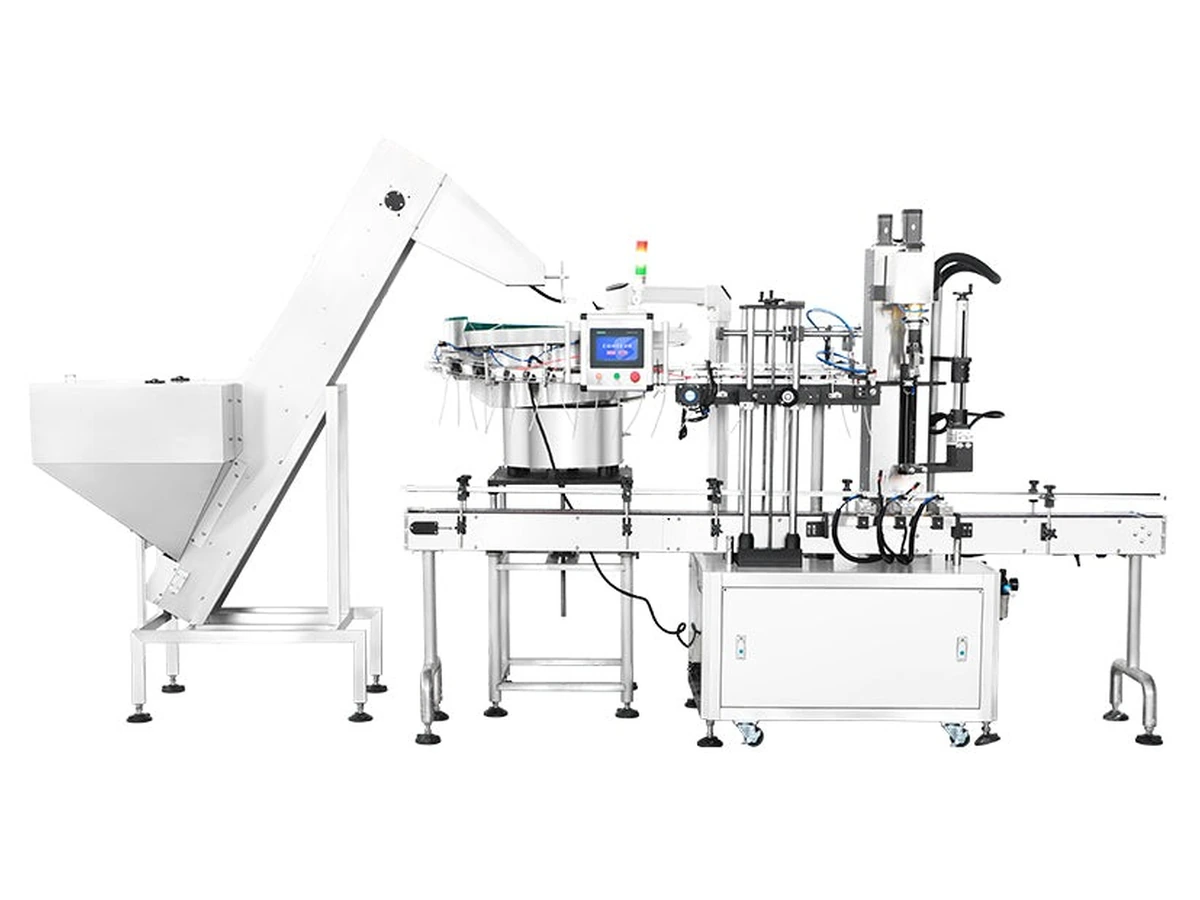
Automatic trigger capping route for cleaning, home-care and chemical bottles with trigger sprayer closures.
View machine →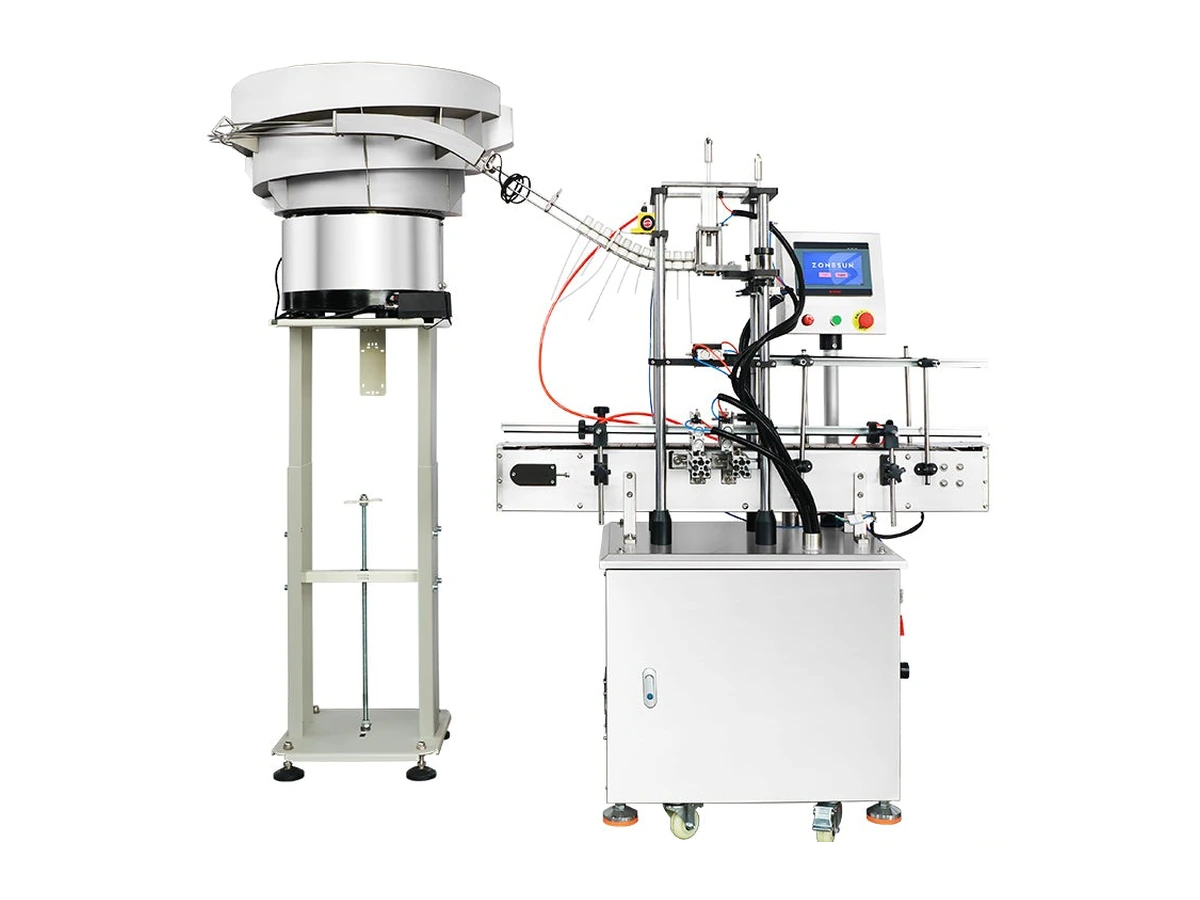
Cap feeding, orientation and dip-tube placement support for awkward trigger sprayer closures.
View machine →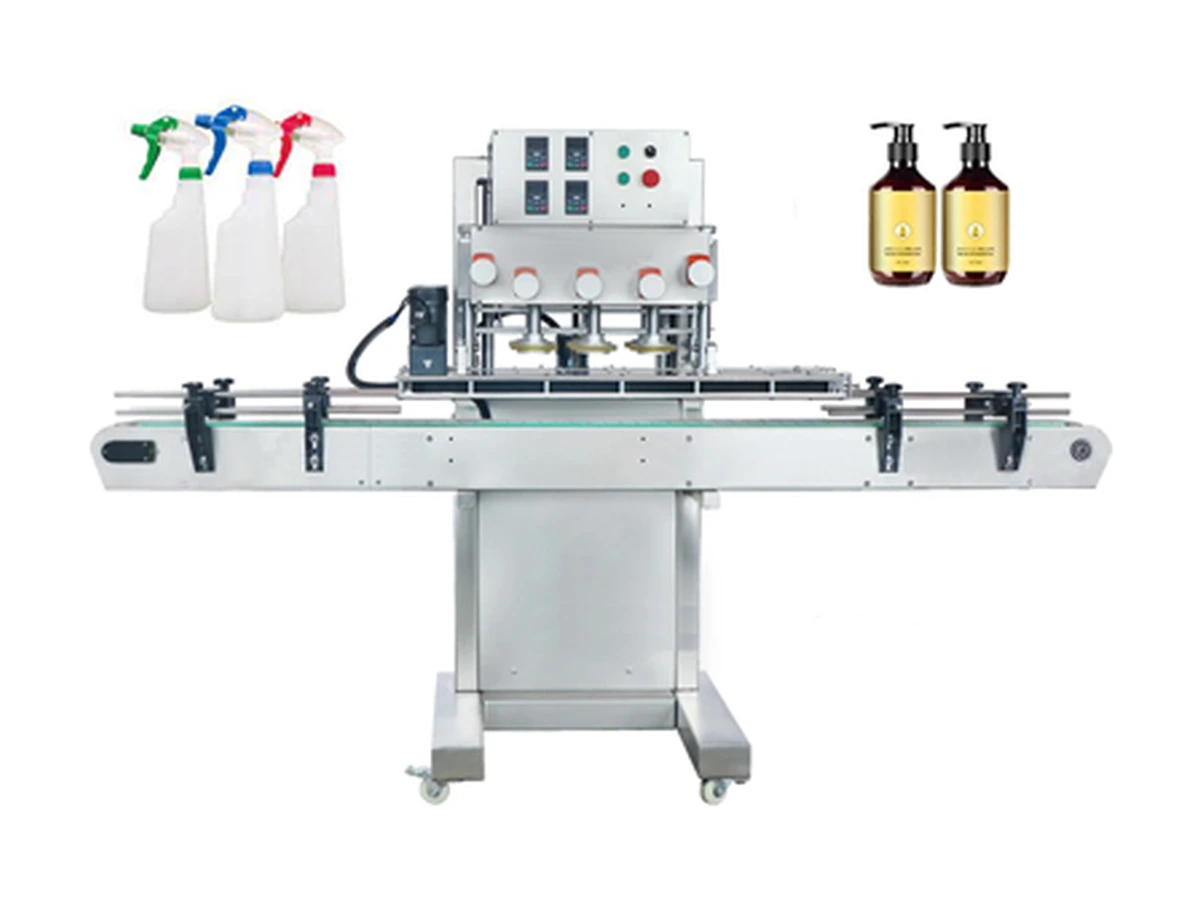
Inline belt/spindle capping route for higher-speed screw, spray and pump closure projects.
View machine →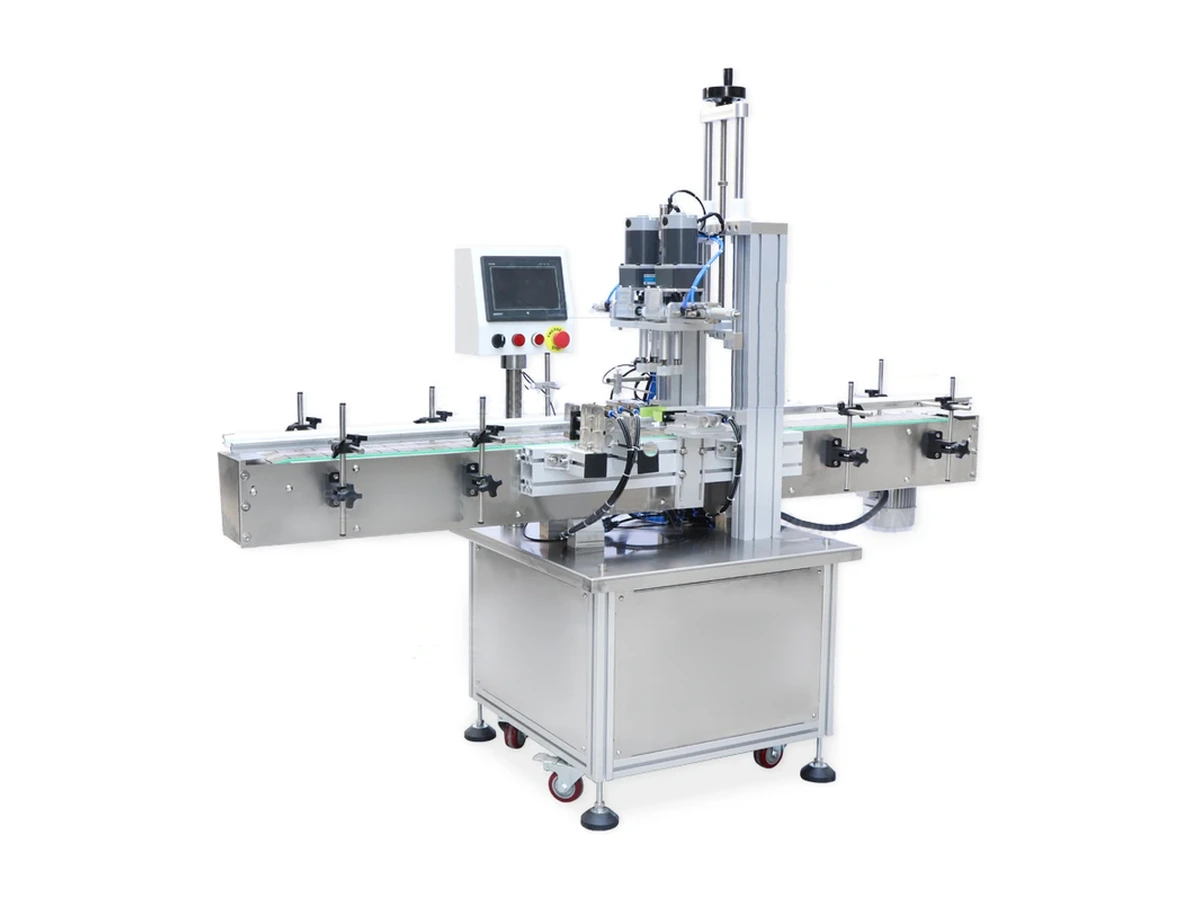
Pneumatic inline screw capper for spray, pump and screw-cap bottles with repeatable torque control.
View machine →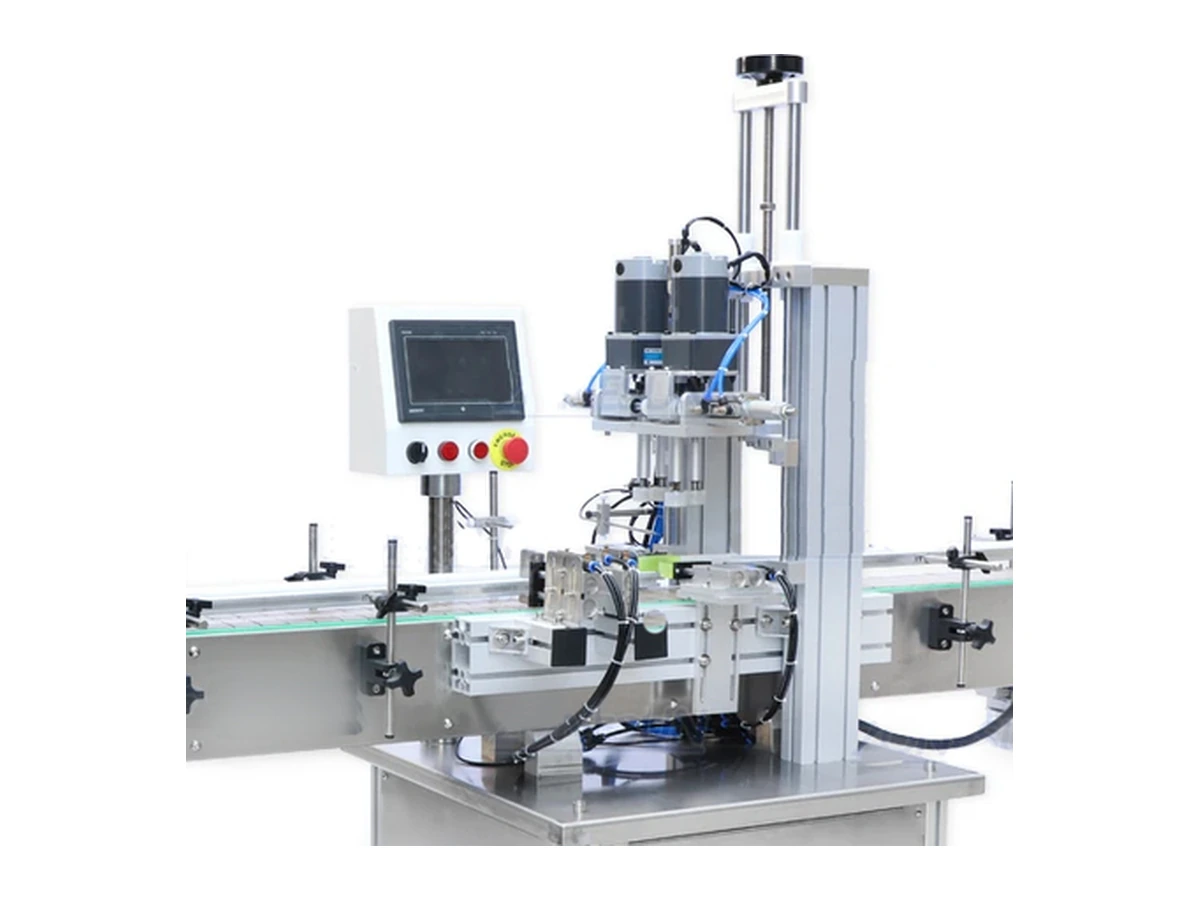
Space-saving screw capper for compact production areas, laboratories and lower-footprint lines.
View machine →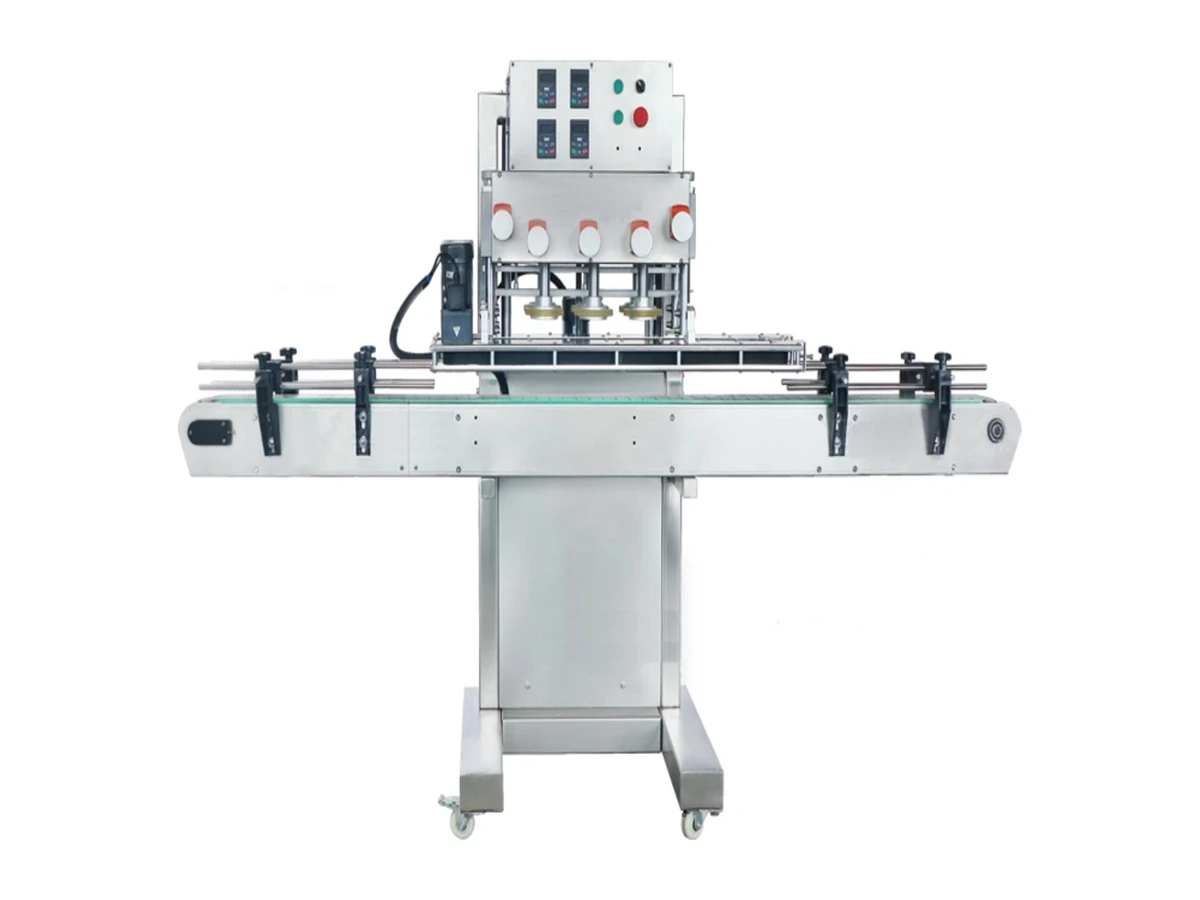
Semi-automatic capping route for smaller batches, early-stage projects and manual-assisted operation.
View machine →Related searches
These pages build the trigger-capping topic cluster and help users move from broad research into a machine enquiry.
Automatic trigger capper options for higher-output spray bottle lines. Compare cap feeding, orientation, placement, torque and conveyor integration.
Read page →Trigger cap feeder and spray cap orientation equipment for trigger sprayers with dip tubes. Plan bowl feeding, placement and capping integration.
Read page →Spray bottle capping machine options for trigger sprayers, pump closures and screw caps. Compare semi-automatic and automatic capping routes.
Read page →Trigger capper pricing guide for UK buyers. Understand what affects cost: cap feeding, automation level, output, tooling, installation and support.
Read page →FAQs
Often yes, but the current conveyor, filling speed, bottle spacing and control interfaces should be reviewed.
That depends on budget, output, future growth and whether you already have reliable filling or labelling equipment.
Yes. Lancing can support installation, commissioning and handover routes for packaging machinery projects.
Send the bottle, cap, tube length, output target and current line details. Lancing can help shortlist the right route.