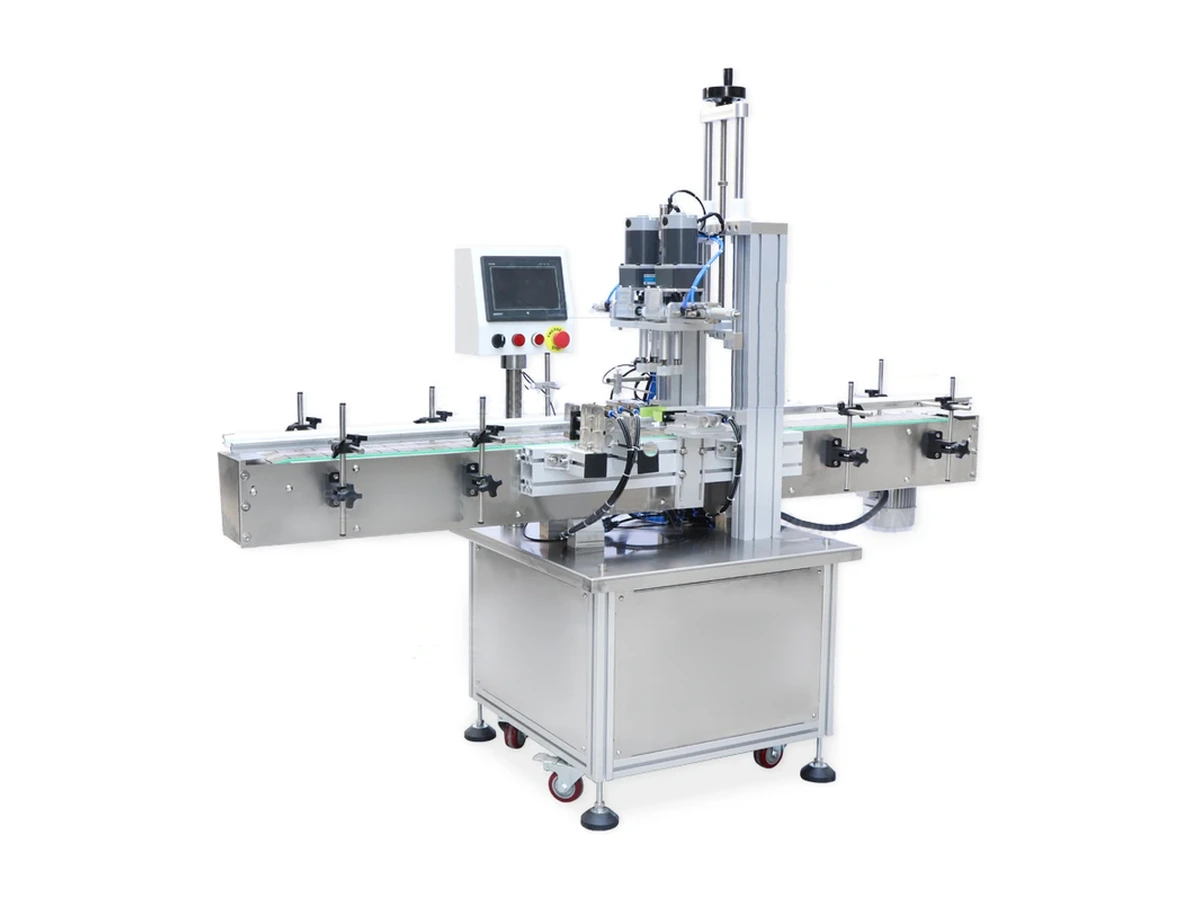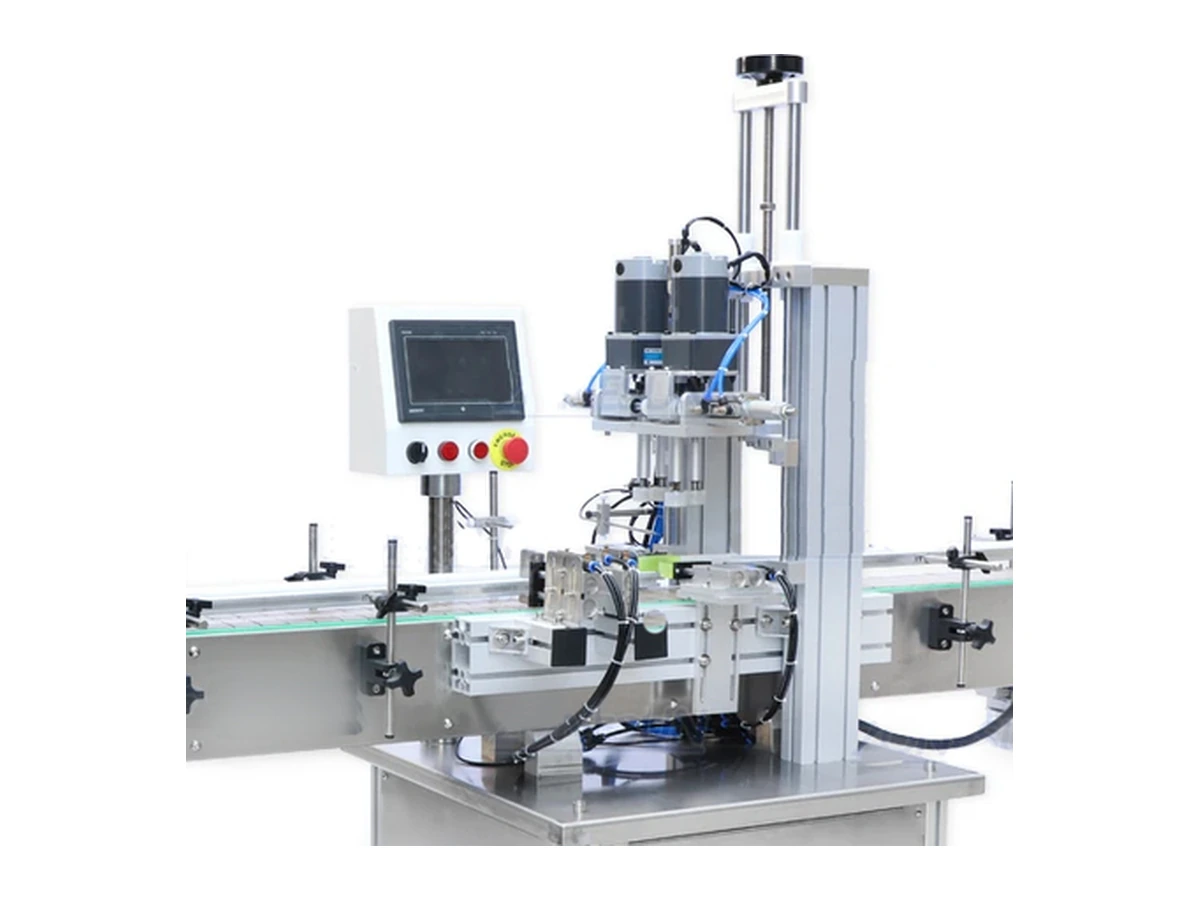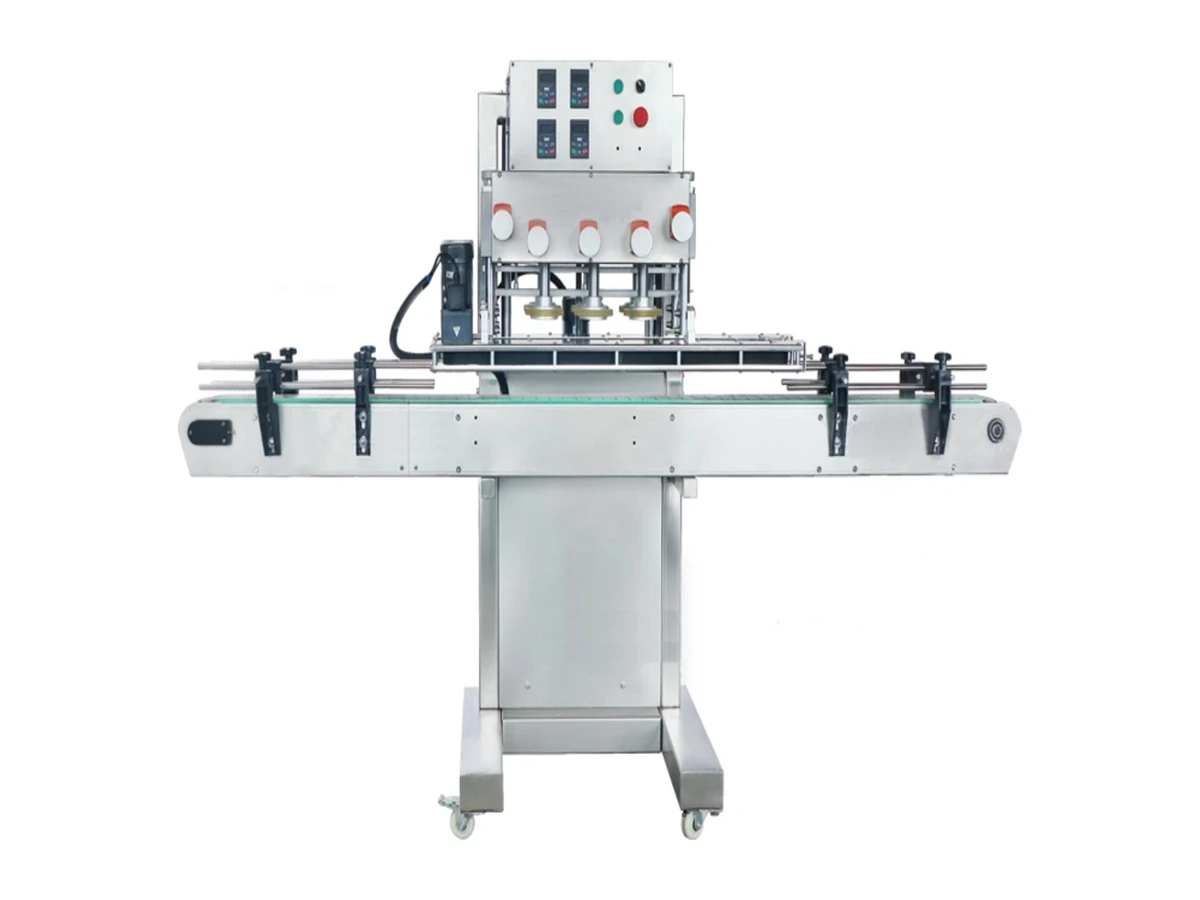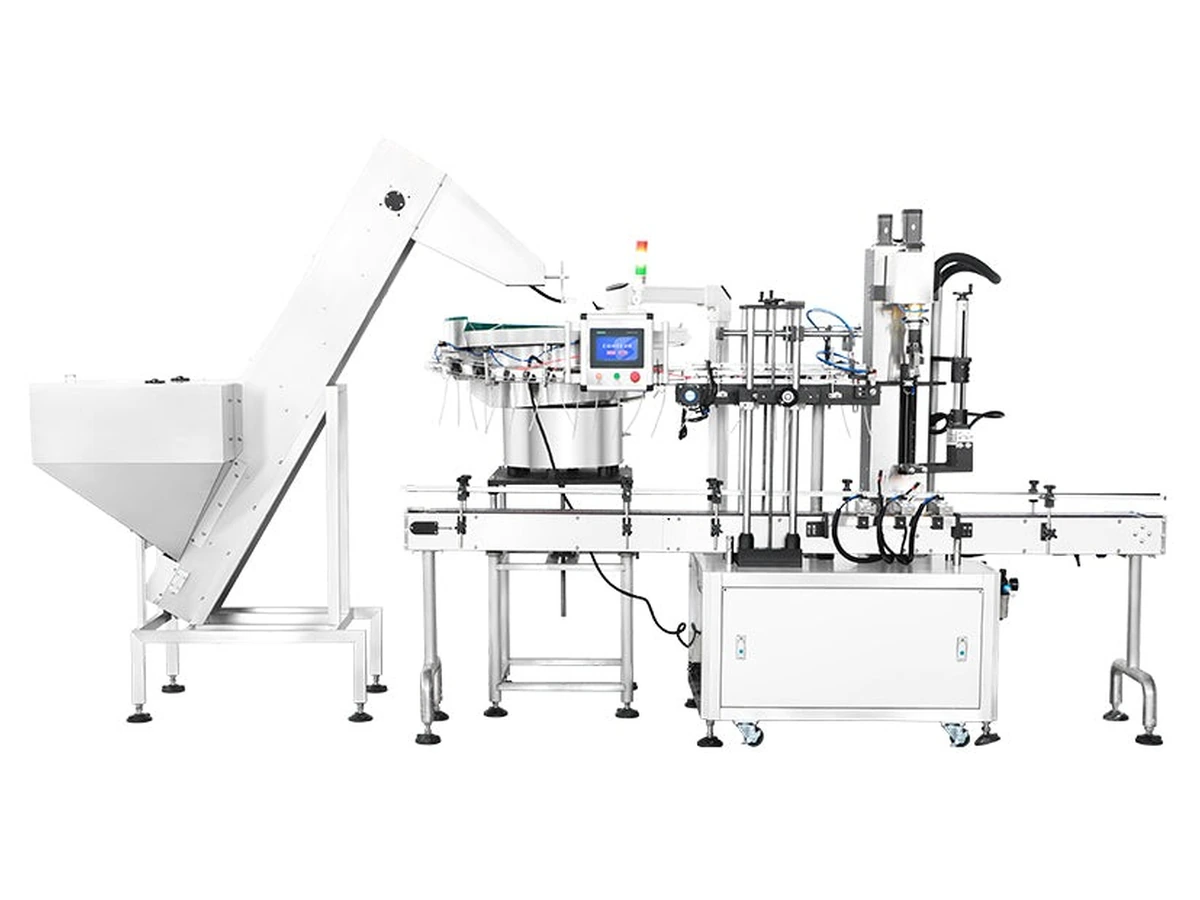
Automatic trigger spray capping

Automatic trigger spray capping machines for higher-output lines

Use this page when manual placement is too slow and your spray bottle line needs a more controlled automatic trigger capping route.

Buyer guidance

What this page helps you decide

Use this page when manual placement is too slow and your spray bottle line needs a more controlled automatic trigger capping route.

  • Automatic cap feeding and bottle handling
  • Dip-tube guidance for trigger sprayer closures
  • Torque control and bottle clamping
  • Conveyor and filling-line integration
  • Installation, commissioning and operator handover
Automatic trigger spray capping machines for higher-output lines

Specification notes

Practical points before shortlisting machinery

These notes are written for buyers comparing a real trigger capping project, not for generic catalogue browsing.

When automatic capping makes sense

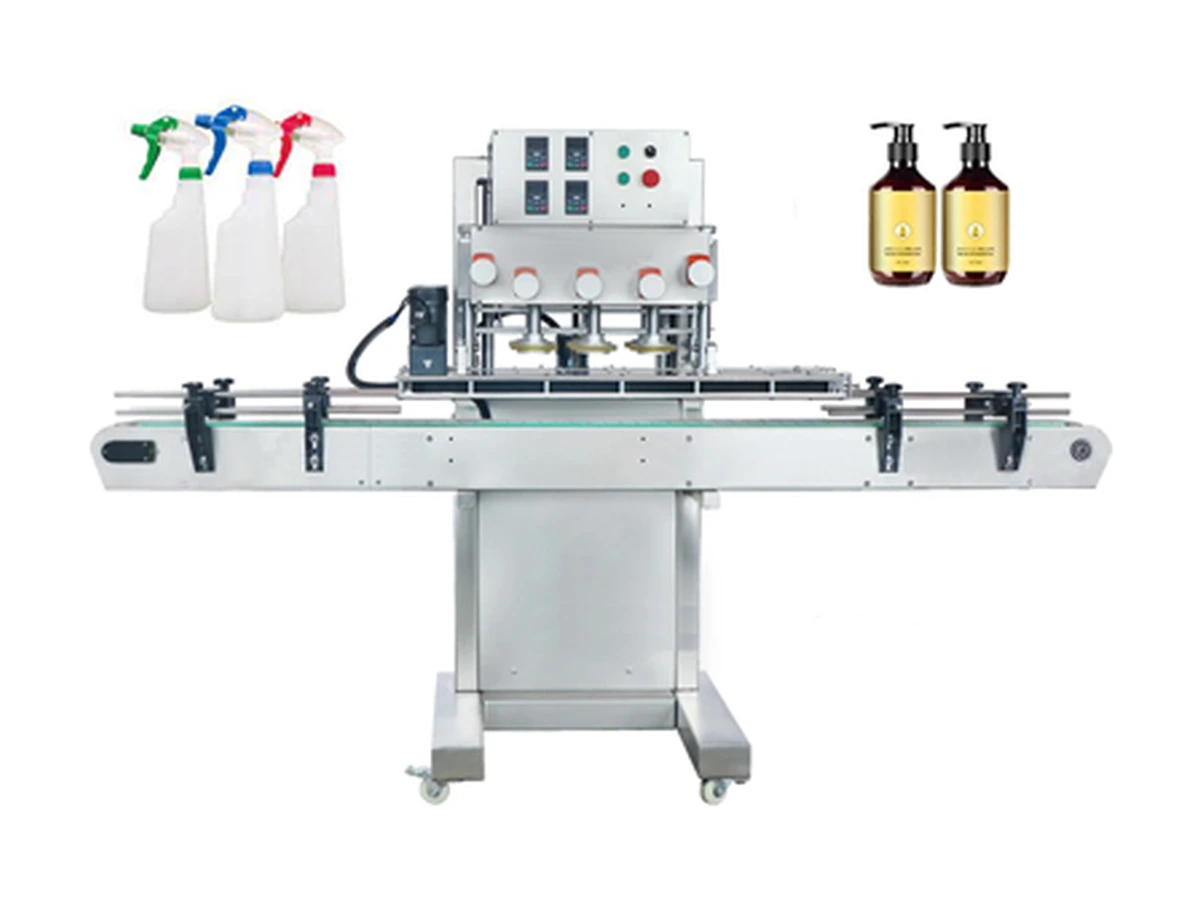
Automatic trigger spray capping becomes more attractive when labour cost, line speed, consistency or operator fatigue starts limiting production. It is also useful when a line needs predictable presentation into a filler, conveyor and labeller. Automatic systems can reduce manual cap handling and make output more repeatable, provided the closure is suitable for feeding and the bottle is stable enough for inline handling.
What must be specified

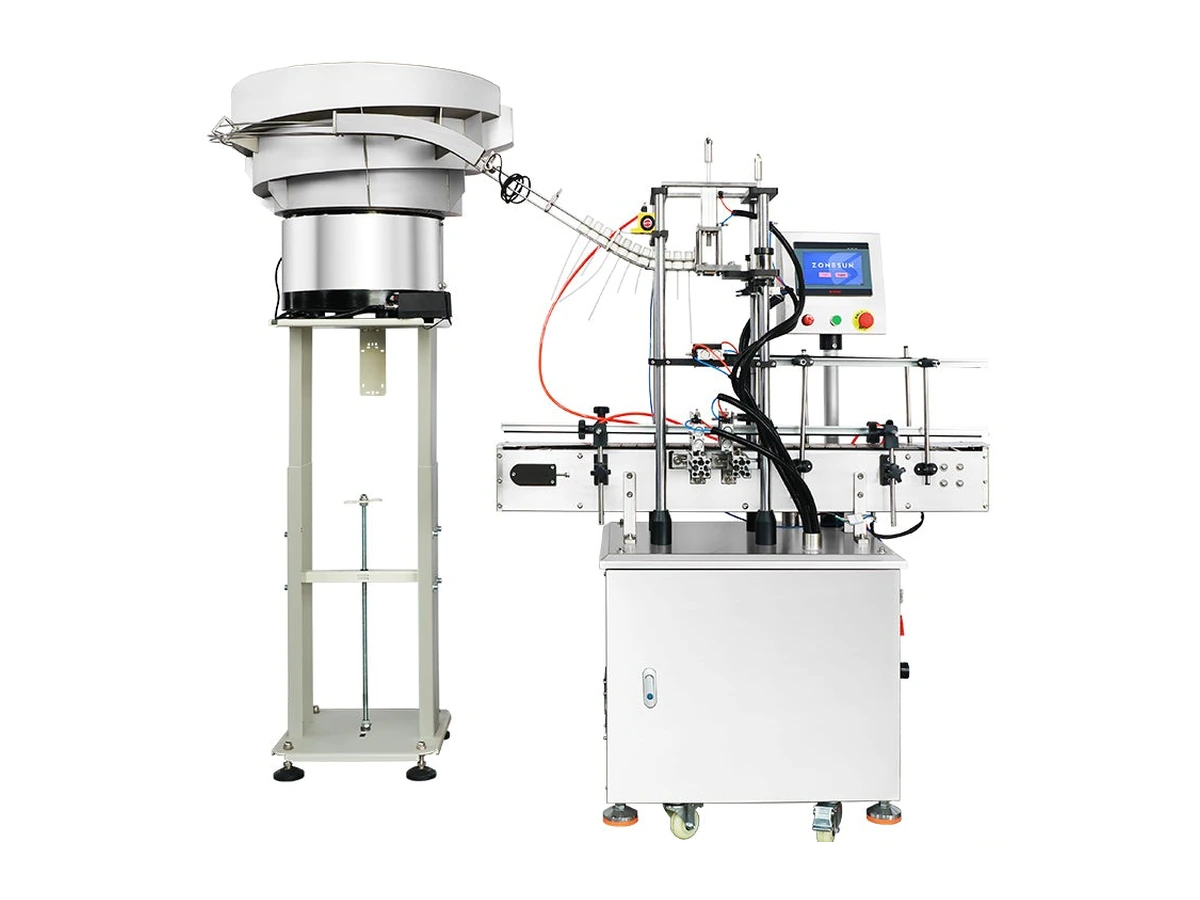
The cap feeding method is the key decision. Trigger caps may need bowl feeding, orientation tracks, grippers, tube guidance and bottle control before torque is applied. The correct layout depends on the cap shape, dip tube length, bottle mouth, bottle stability and available footprint. Utilities, guarding, cleaning access and changeover time also affect the final specification.

Avoiding common buying mistakes

A machine should not be selected from speed alone. A high nominal output is not useful if the cap feeder jams, the tube misses the neck, or the bottle becomes unstable on the conveyor. The specification should be based on sample testing, cap orientation, bottle handling, realistic changeovers and the level of integration required across the full packaging line.

Automatic line design

Design the complete feed-to-reject sequence before ordering

Automatic trigger capping depends on a stable chain of operations. A machine can only sustain its target rate when bulk loading, orientation, tube insertion, bottle control and fault recovery are all sized for the same duty.

Bulk loading and buffer

The hopper and replenishment method should provide enough buffer for the operator’s normal routine without crushing closures or allowing long tubes to tangle.

Orientation and transfer

The feeder should deliver one correctly oriented closure at the required pitch, with a controlled reject or recirculation path for incorrect presentation.

Insertion, placement and tightening

Bottle support and guided motion should keep the tube and cap aligned through neck entry, thread start and final tightening.

Inspection and recovery

Define what happens after a missing cap, high cap, tube fault, bottle jam or feeder starvation event, including restart and reject handling.

Feeder replenishmentHopper capacity, loading height, operator frequency, low-level warning and safe access.
Buffer strategyTrack capacity between feeder and placement station, plus controlled stop/start behaviour.
Bottle pitchInfeed spacing, timing screws/starwheels if used, side guides and support for unstable bottles.
Recipe controlStored format settings, access permissions, changeover verification and fault diagnostics.
Reject strategyPresence/height/orientation checks, reject confirmation and collection without line contamination.
Change partsDedicated parts for caps, bottles and tubes, clearly identified and stored with setup instructions.
Performance testSustained run at agreed conditions, normal replenishment, changeovers and documented reject results.
Line interfaceSignals to filler, conveyor, labeller and emergency-stop/safety systems.

Machine options

Trigger capping machines to compare

Use these product pages to compare available machine families and then send Lancing your sample details for configuration advice.

Related search routes

Pages that support this buying decision

These internal routes strengthen the trigger-capping topic cluster and help users move from research into a machine enquiry.

FAQs

Questions buyers ask

Do automatic trigger cappers need sample testing?

Sample review is strongly recommended because cap geometry, tube flexibility and bottle stability all affect how the machine should be configured.

Can an automatic trigger capper be added to an existing line?

Often yes, but the footprint, conveyor height, controls interface, accumulation and bottle spacing need to be checked first.

Is automatic feeding always required?

No. Some lines can use semi-automatic or operator-assisted cap placement. Automatic feeding is normally justified by throughput, consistency and labour considerations.

Need a trigger capping recommendation?

Send the bottle, cap, tube length, output target and current line details. Lancing can help shortlist the right route.

Call now01494 623015