Trigger cap feeding

Trigger spray cap feeding machines and orientation systems

Plan cap feeding and orientation for trigger sprayers, pumps and closures that are difficult to place consistently by hand.

Buyer guidance

What this page helps you decide

Plan cap feeding and orientation for trigger sprayers, pumps and closures that are difficult to place consistently by hand.

  • Bowl feeding, tracks and cap presentation
  • Trigger sprayer orientation and dip-tube handling
  • Integration with automatic cappers
  • Multi-format and change-part planning
  • Support for spray, pump and specialist closures
Trigger spray cap feeding machines and orientation systems

Specification notes

Practical points before shortlisting machinery

These notes are written for buyers comparing a real trigger capping project, not for generic catalogue browsing.

Why cap feeding is a separate decision

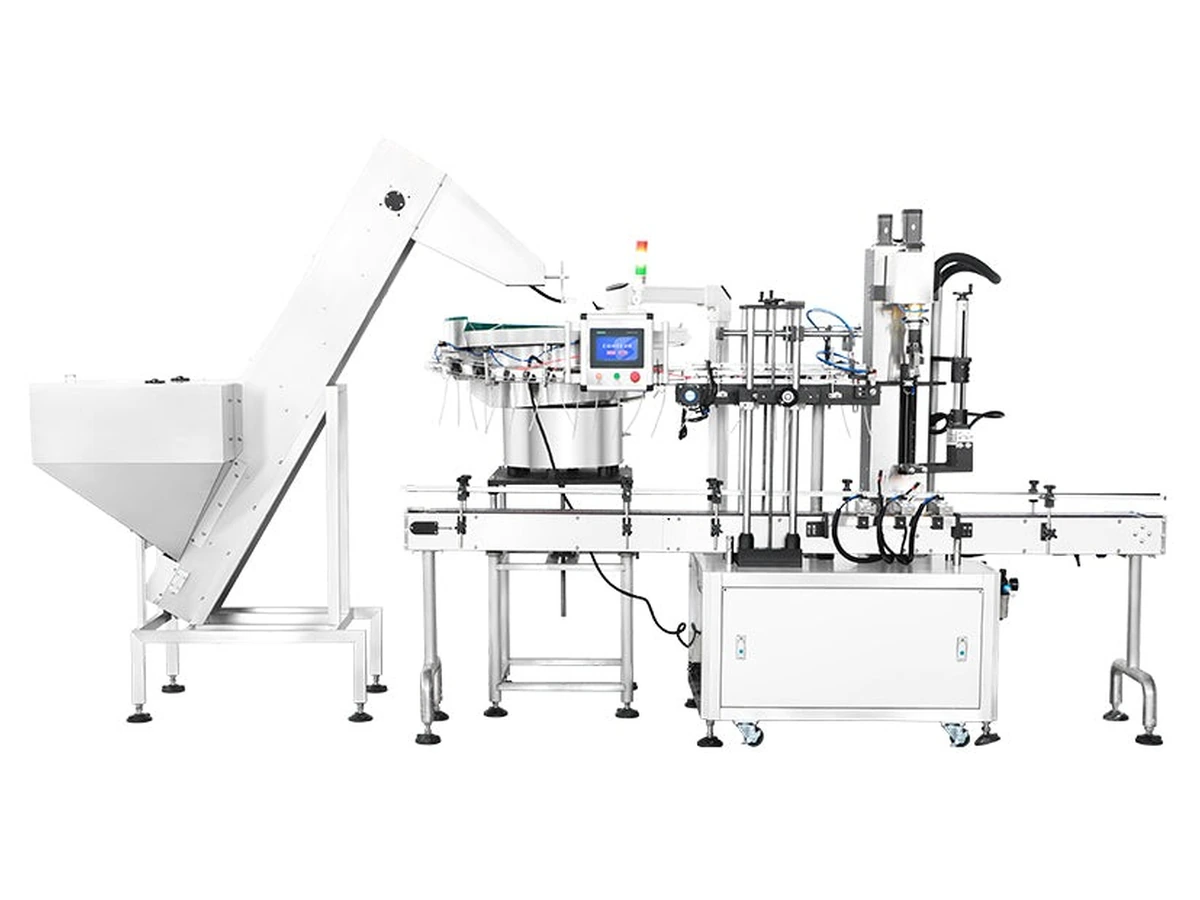
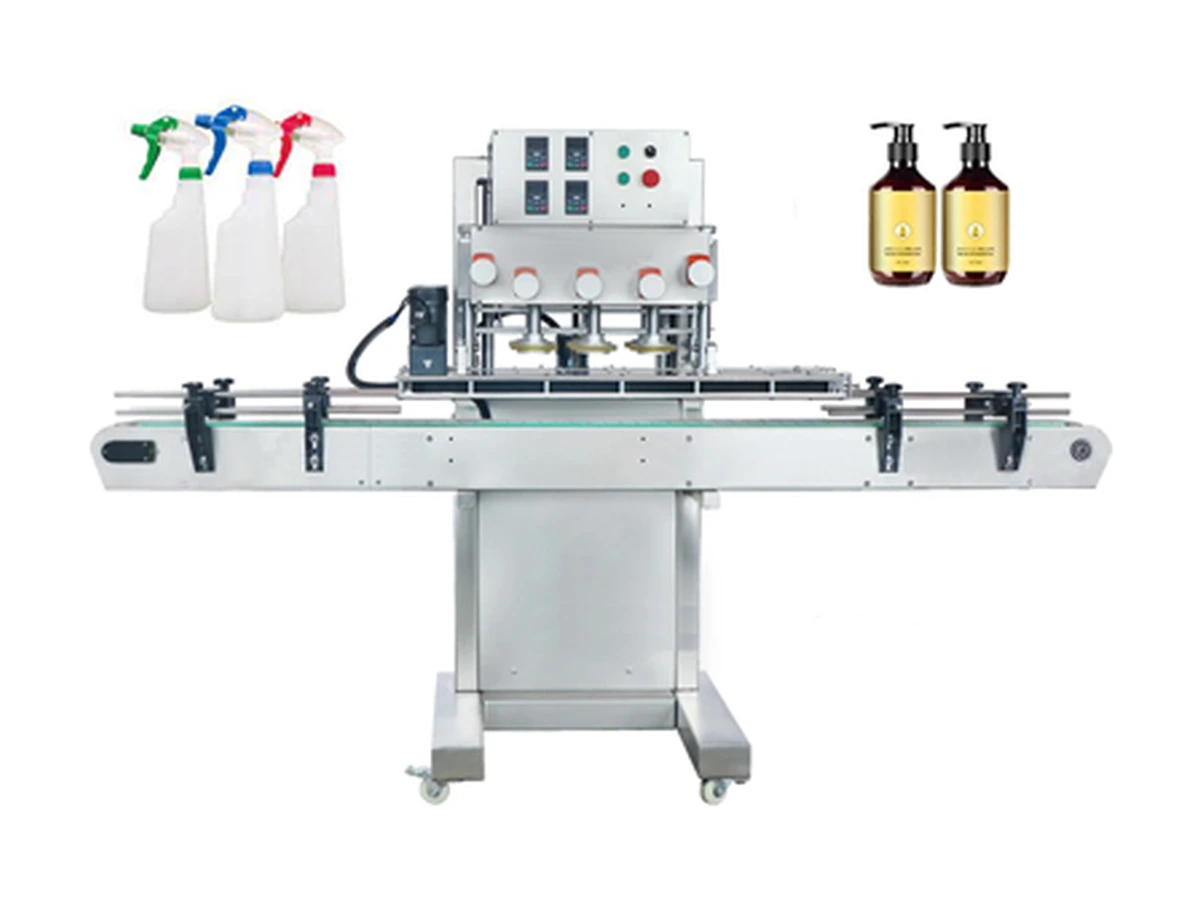
A trigger spray cap feeder has to do more than move closures from a hopper to a capper. It must present each trigger in a usable orientation, manage the dip tube and deliver the cap consistently to the placement point. This is one of the main reasons trigger capping projects need more detailed specification than standard screw capping applications.
Feeding options to compare

Depending on the closure, a project might use a vibratory bowl, elevator, orientator, chute, track or pick-and-place mechanism. The correct route depends on whether the trigger can be reliably oriented, whether tubes tangle, how sensitive the finish is and how often formats change. A feeder that works for one trigger design may not suit another without tooling changes.

How to brief Lancing

Send several cap samples, tube length, target rate, bottle neck information and photos or drawings of the intended line. If multiple closures are required, include samples for each format and explain which is most important. This helps determine whether a universal-feeling solution is realistic or whether dedicated tooling is needed.

Closure presentation

Select a feeder around the actual trigger body and dip tube

Feeder selection should be based on physical closure trials. Trigger shape, tube length, nesting behaviour and surface finish can make two apparently similar caps behave very differently in bulk.

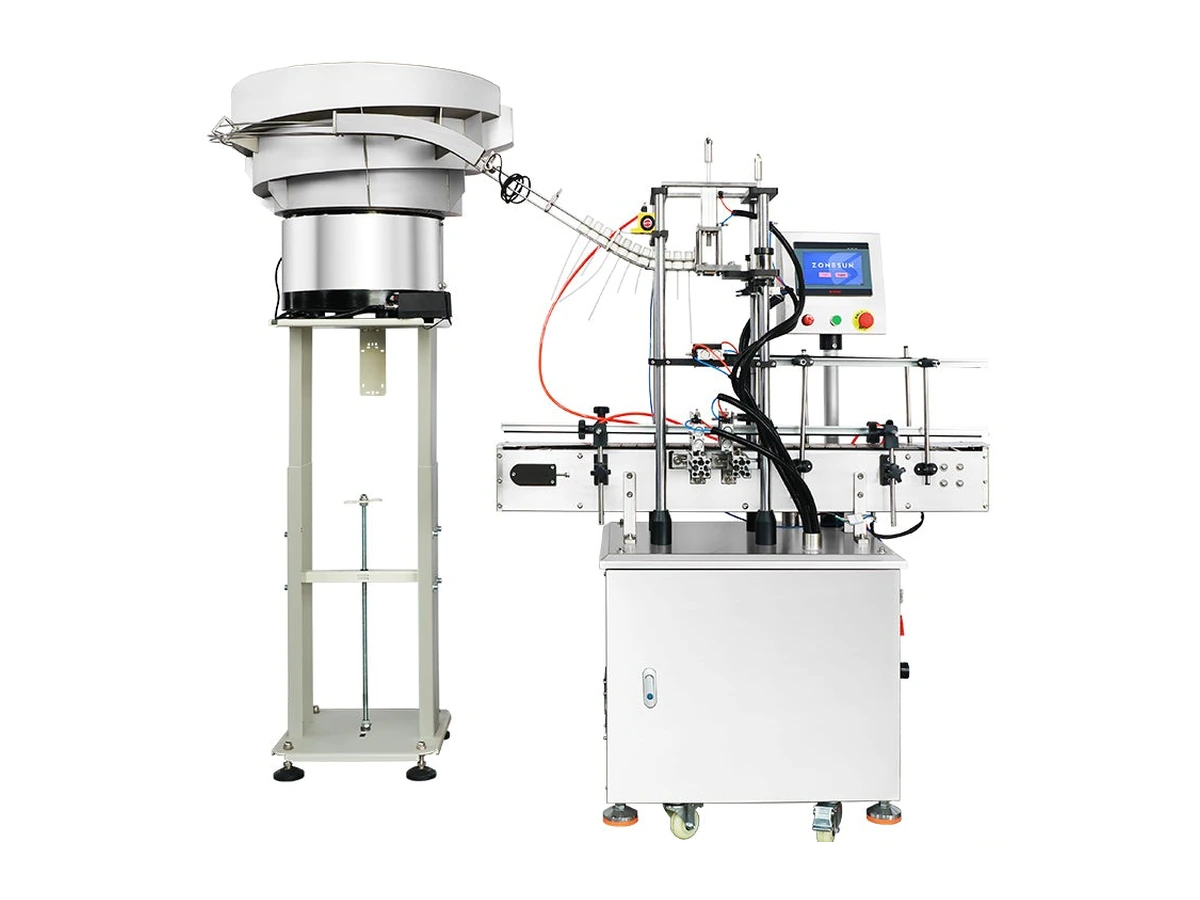
Vibratory bowl feeding

A tuned bowl can orient compatible closures through mechanical tracks and tooling. Trials should confirm tube protection, noise, recirculation and performance across normal closure variation.

Centrifugal or rotary orientation

Rotary systems can suit higher-rate applications when closure geometry allows controlled singulation and orientation. The transfer into the cap track remains critical.

Elevator and hopper loading

An elevator reduces manual loading height and meters closures into the orientator. Hopper design should avoid compression, bridging and tube entanglement.

Tray or controlled presentation

For difficult, delicate or lower-volume closures, pre-arranged trays or pick-and-place presentation may provide better control than unrestricted bulk feeding.

Orientation requirementDefine the trigger/nozzle position needed at the placement station and allowable angular variation.
Tube protectionConfirm that tubes are not kinked, stretched, cut or trapped during loading, circulation and transfer.
Feed rateRequired sustained closures per minute with an agreed margin over the capping station demand.
Incorrect partsDetection and rejection of nested, inverted, damaged or wrong-format closures.
Buffer capacityTrack quantity and recovery time after replenishment or a short feeder interruption.
ChangeoverTooling, settings, clean-down and verification for each closure in the SKU matrix.
Operator factorsLoading height, noise, access, safe clearing, visual checks and low-level warnings.
Acceptance evidenceOrientation accuracy, tube-damage checks, jam frequency and sustained feed during a representative run.

Machine options

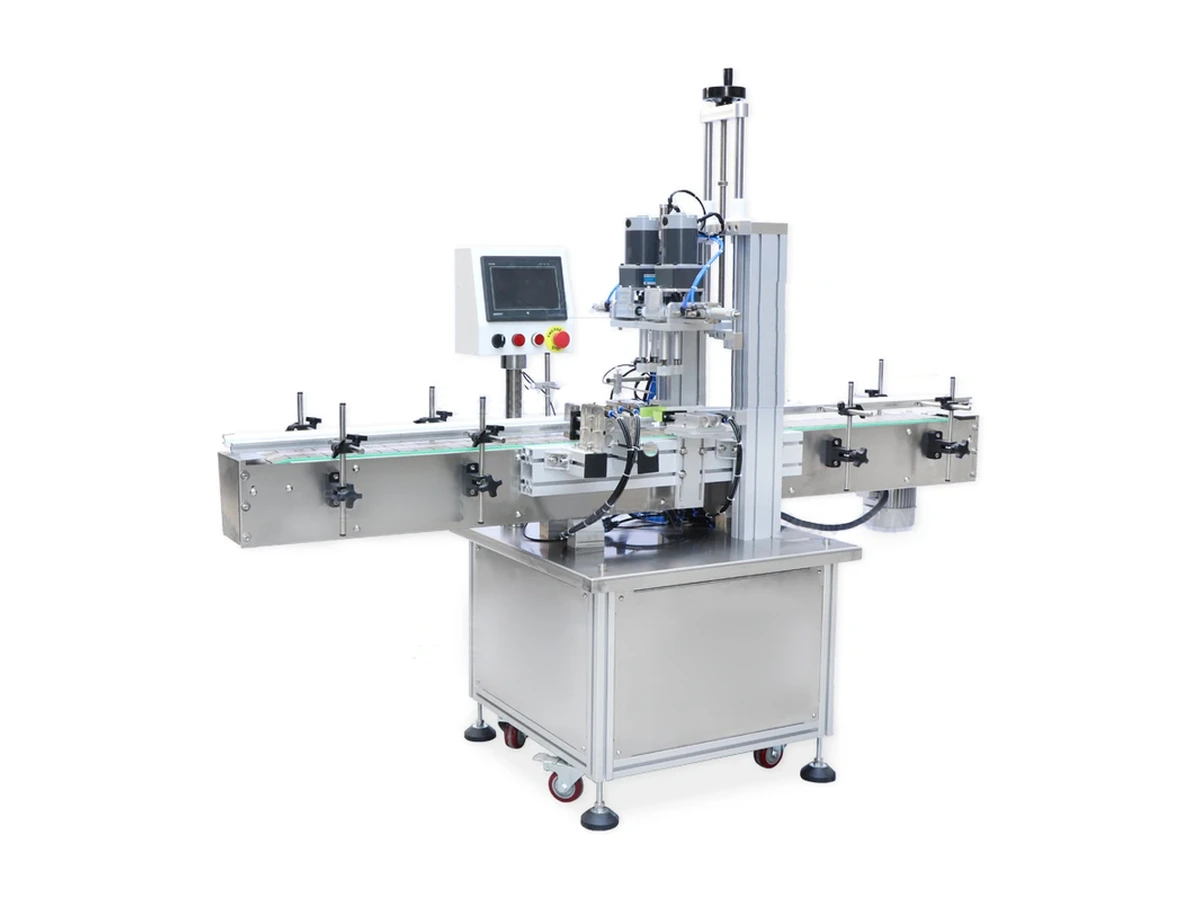
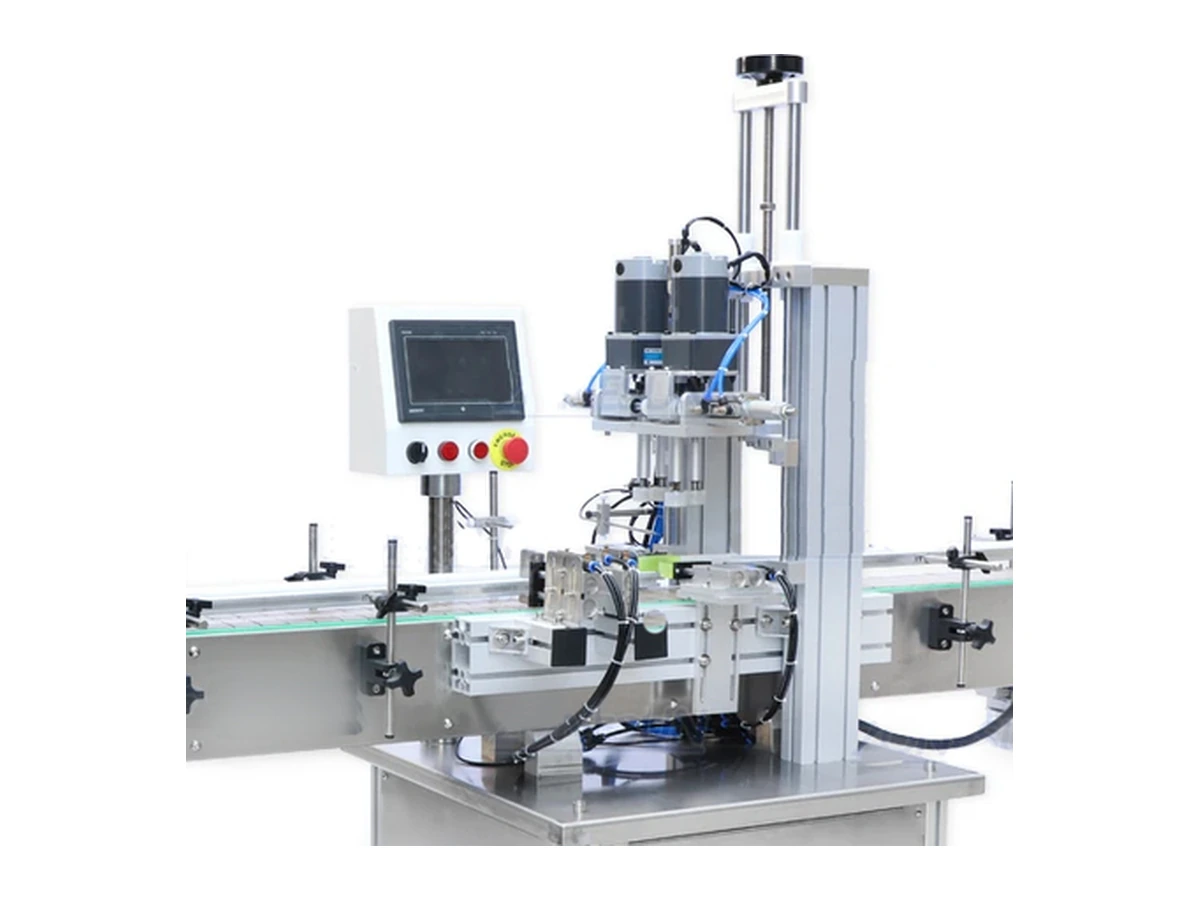
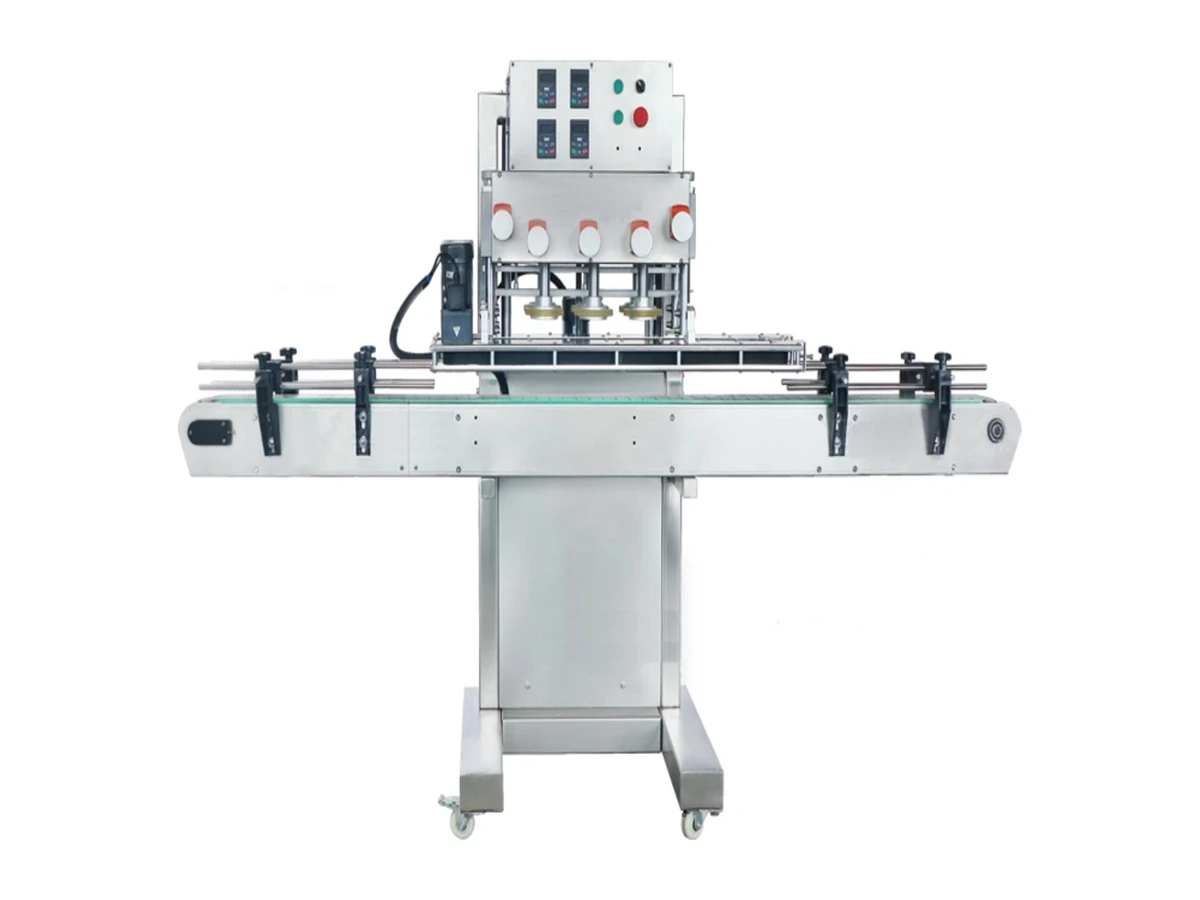
Trigger capping machines to compare

Use these product pages to compare available machine families and then send Lancing your sample details for configuration advice.

Related search routes

Pages that support this buying decision

These internal routes strengthen the trigger-capping topic cluster and help users move from research into a machine enquiry.

FAQs

Questions buyers ask

Can all trigger caps be bowl fed?

Not automatically. The cap shape, centre of gravity, trigger geometry and dip tube behaviour decide whether bowl feeding is practical.

What causes trigger cap feeders to jam?

Common causes include tangled tubes, poor orientation, mixed cap formats, damaged caps, unsuitable track tooling and excessive feed rate.

Can a feeder be added later?

Sometimes, but it is better to plan feeding early because the capper, conveyor, controls and guarding may need to be arranged around the feeder.

Need a trigger capping recommendation?

Send the bottle, cap, tube length, output target and current line details. Lancing can help shortlist the right route.

Call now01494 623015