Match the capping route to the closure
Spray bottles may use trigger sprayers, finger pumps, lotion pumps or standard screw caps. Each closure type creates different requirements for grip, placement and torque.

Spray bottle capping machine
Spray bottle capping projects are shaped by closure type, bottle stability and whether the cap is placed manually or fed automatically. This page helps route spray bottle enquiries to the right machine family.
Buyer route
Spray bottle capping projects are shaped by closure type, bottle stability and whether the cap is placed manually or fed automatically. This page helps route spray bottle enquiries to the right machine family.
Specification notes
These are the practical factors that normally decide whether a simple capper, cap feeder, automatic trigger capper or integrated line is the right choice.
Spray bottles may use trigger sprayers, finger pumps, lotion pumps or standard screw caps. Each closure type creates different requirements for grip, placement and torque.
Smaller lines can often use semi-automatic capping with manual cap placement. Larger spray bottle projects may need cap feeding, indexing, belt/spindle tightening or a dedicated trigger capper.
Capping should be considered alongside filling, labelling and coding so the spray bottle travels through the line without instability or avoidable manual handling.
Closure comparison
A spray bottle line may run trigger sprayers, lotion pumps, mist sprays and conventional screw caps. The capping method should be selected around the most difficult closure and the required changeover pattern.
Asymmetric bodies and long dip tubes usually require controlled orientation, tube entry and bottle support before tightening.
Pump actuator height, tube length and the need to protect or orient the actuator can affect placement and cap-height checks.
Smaller closures may feed more easily, but delicate actuators, protective caps and tight cosmetic presentation requirements can add handling steps.
Symmetrical screw caps can often use simpler feeding and spindle/chuck tightening, but bottle stability and torque control still need validation.
| Closure family | List every trigger, pump, mist sprayer and screw cap, including supplier references and drawings. |
|---|---|
| Bottle family | Record neck finish, dimensions, shape, material, filled weight and stability for every SKU. |
| Orientation need | State whether nozzle/actuator position matters after capping and the acceptable final angle. |
| Tube handling | Tube length, stiffness, curvature and whether tubes can be bulk-fed without damage or entanglement. |
| Tightening result | Torque, cap height, thread engagement, leak performance and visible presentation requirements. |
| Format change | Parts and adjustments required, target changeover time and method for checking the first-off bottle. |
Machine options
Use these product pages to compare the available machine families and then send Lancing your sample details for configuration advice.
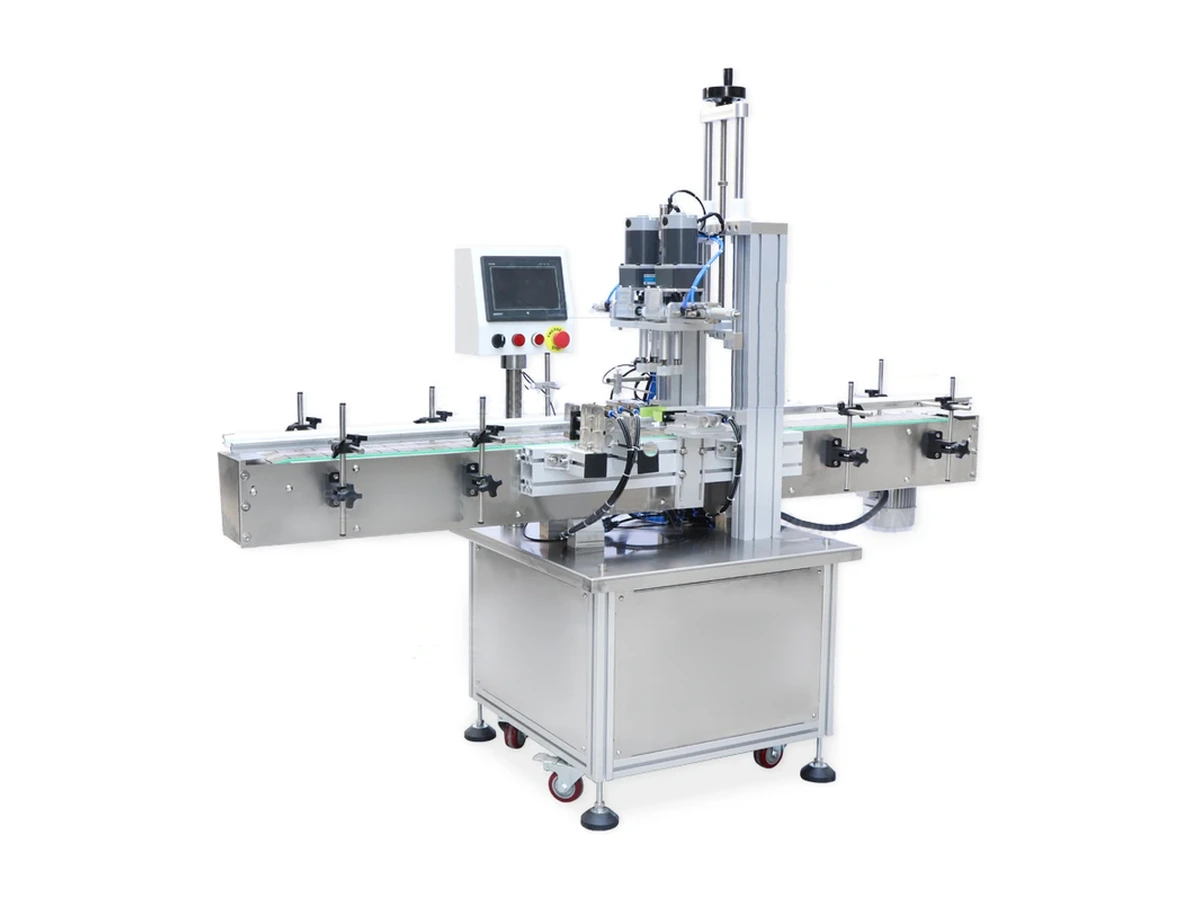
Automatic trigger capping route for cleaning, home-care and chemical bottles with trigger sprayer closures.
View machine →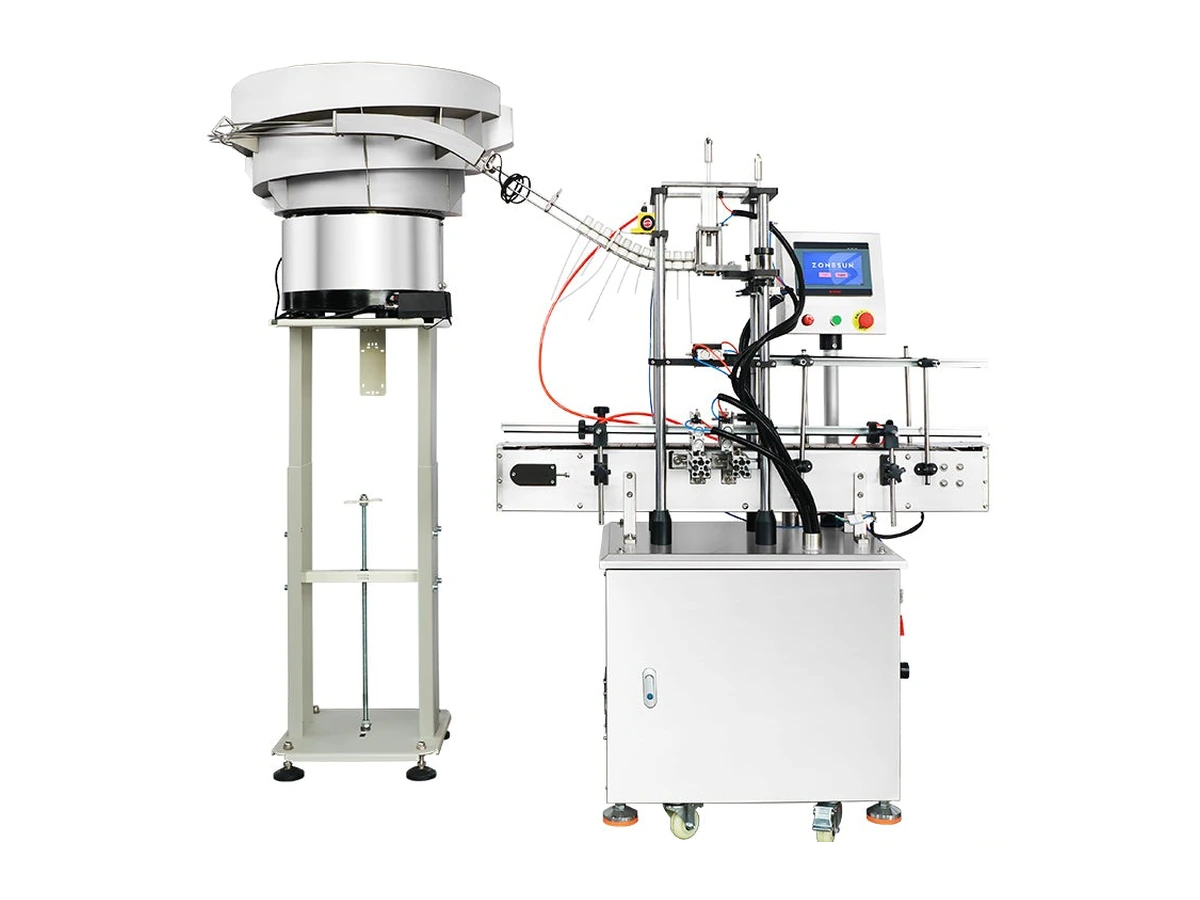
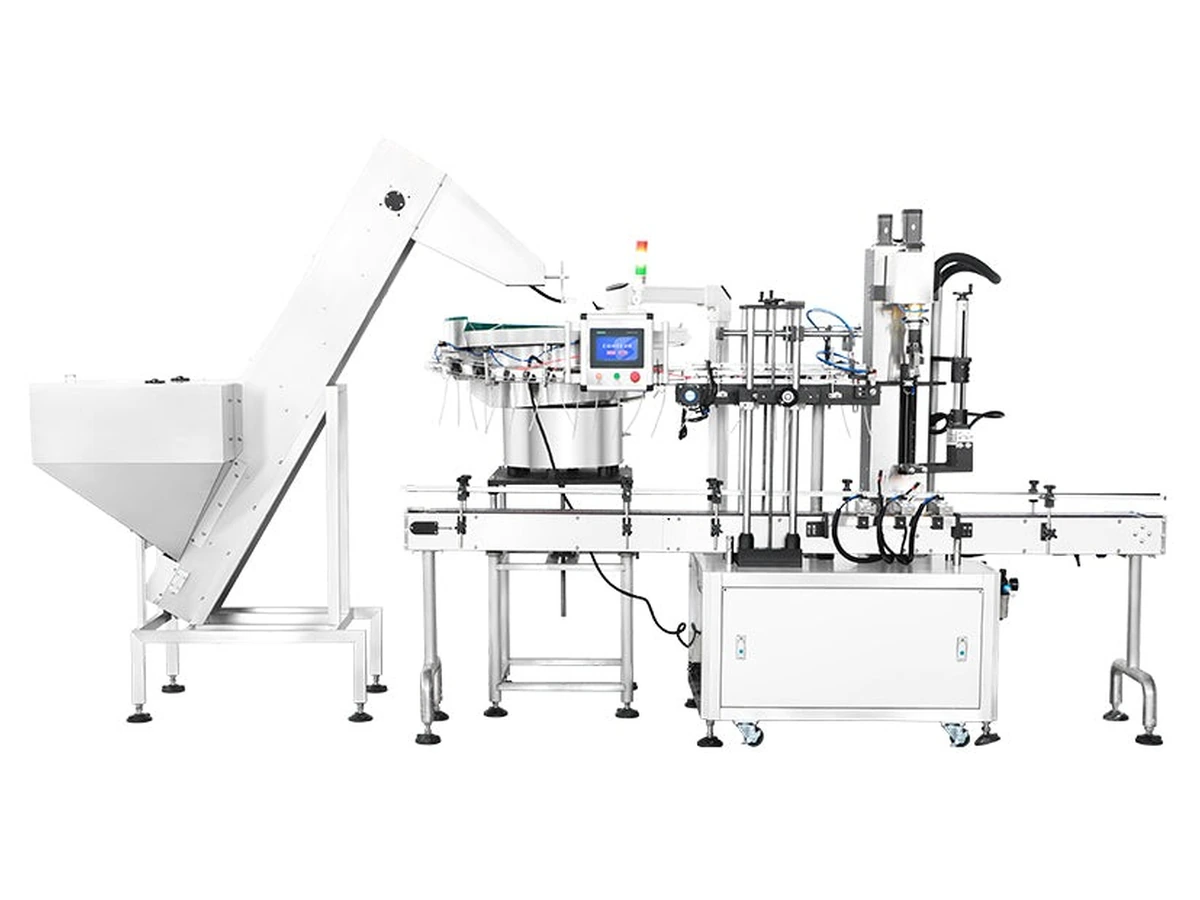
Cap feeding, orientation and dip-tube placement support for awkward trigger sprayer closures.
View machine →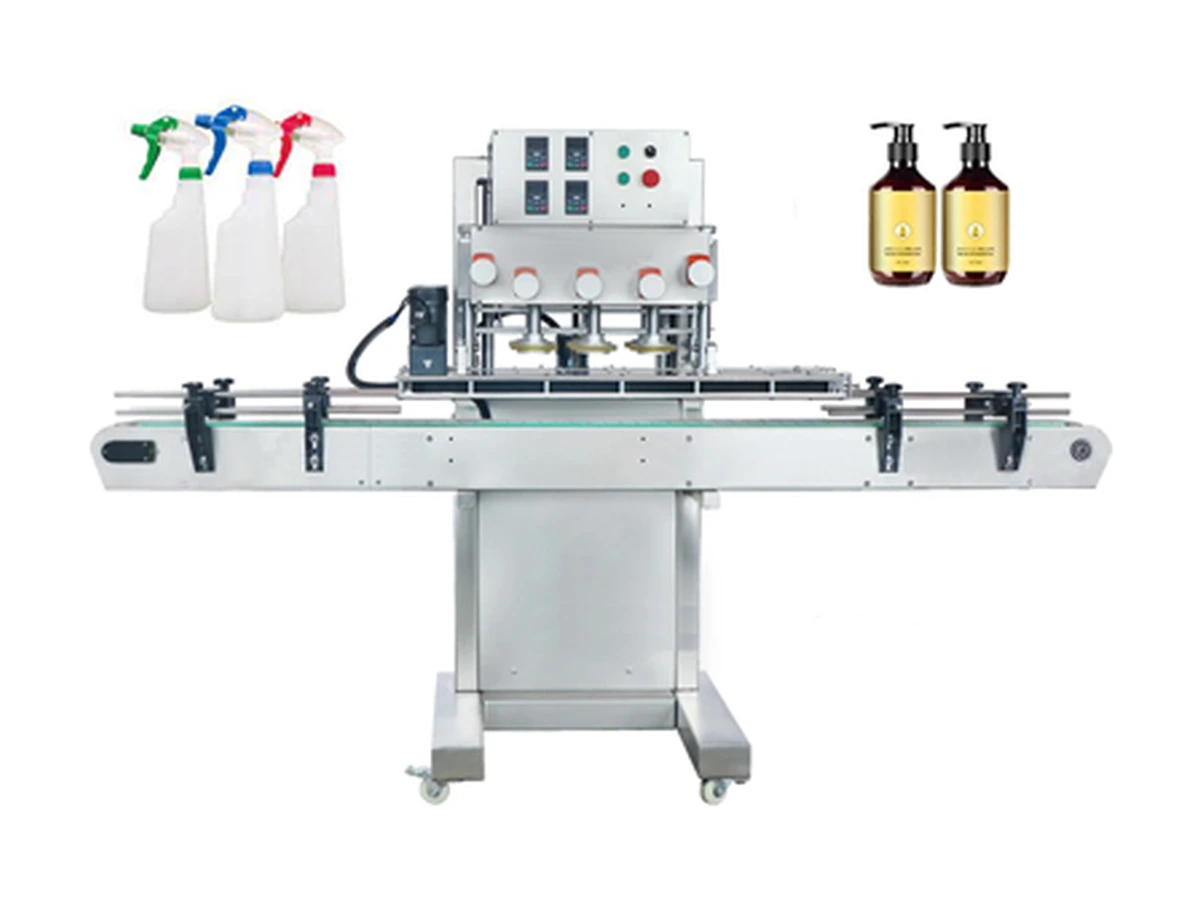
Inline belt/spindle capping route for higher-speed screw, spray and pump closure projects.
View machine →Pneumatic inline screw capper for spray, pump and screw-cap bottles with repeatable torque control.
View machine →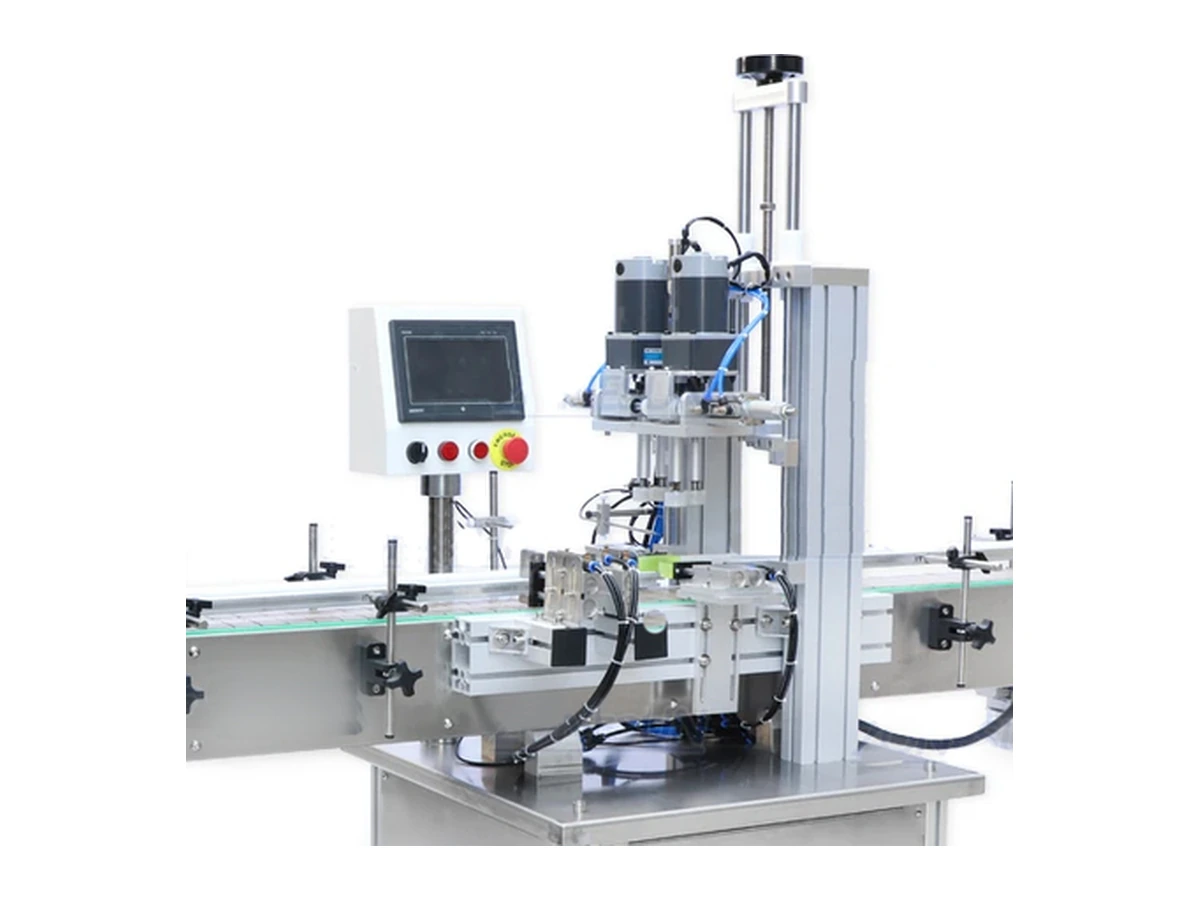
Space-saving screw capper for compact production areas, laboratories and lower-footprint lines.
View machine →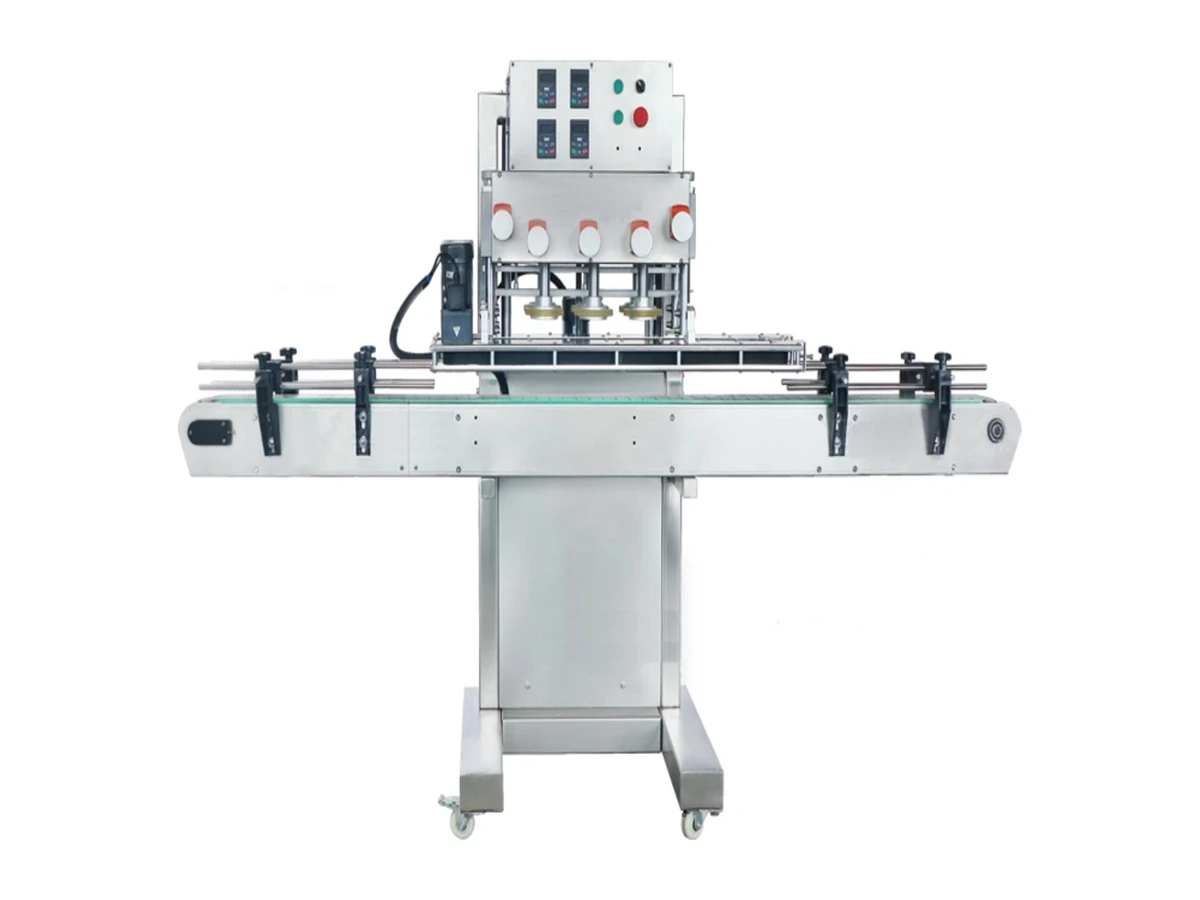
Semi-automatic capping route for smaller batches, early-stage projects and manual-assisted operation.
View machine →Related searches
These pages build the trigger-capping topic cluster and help users move from broad research into a machine enquiry.
UK trigger cappers for spray bottles, pump closures and screw caps. Compare automatic trigger capping, cap feeding, dip-tube handling and Lancing support.
Read page →Trigger spray capper machinery for spray bottles, cleaning products and chemical bottles. Compare cap feeding, placement, torque and integration options.
Read page →Pump capping machine options for pump bottles, trigger sprayers and screw closures. Compare torque control, cap placement and line integration.
Read page →Capping machines for cleaning products, disinfectants and home-care trigger spray bottles. Plan trigger cappers, pump cappers and line integration.
Read page →FAQs
It may be possible if the closure families are compatible, but tooling, cap feeding and torque settings must be checked.
The best route depends on cap placement, output and changeovers. Semi-automatic, compact and fully automatic routes can all be correct in different situations.
Yes. Lancing can discuss filling, capping, conveyors and labelling as part of a wider packaging-line project.
Send the bottle, cap, tube length, output target and current line details. Lancing can help shortlist the right route.