Automation level
Manual-assisted, compact automatic and fully automatic routes have very different scope and cost.

Pricing guide
Trigger capper price varies because the machine may be a simple assisted capping station or a larger automatic system with cap feeding, orientation, guarding, conveyors and integration.
Buyer guidance
Trigger capper price varies because the machine may be a simple assisted capping station or a larger automatic system with cap feeding, orientation, guarding, conveyors and integration.
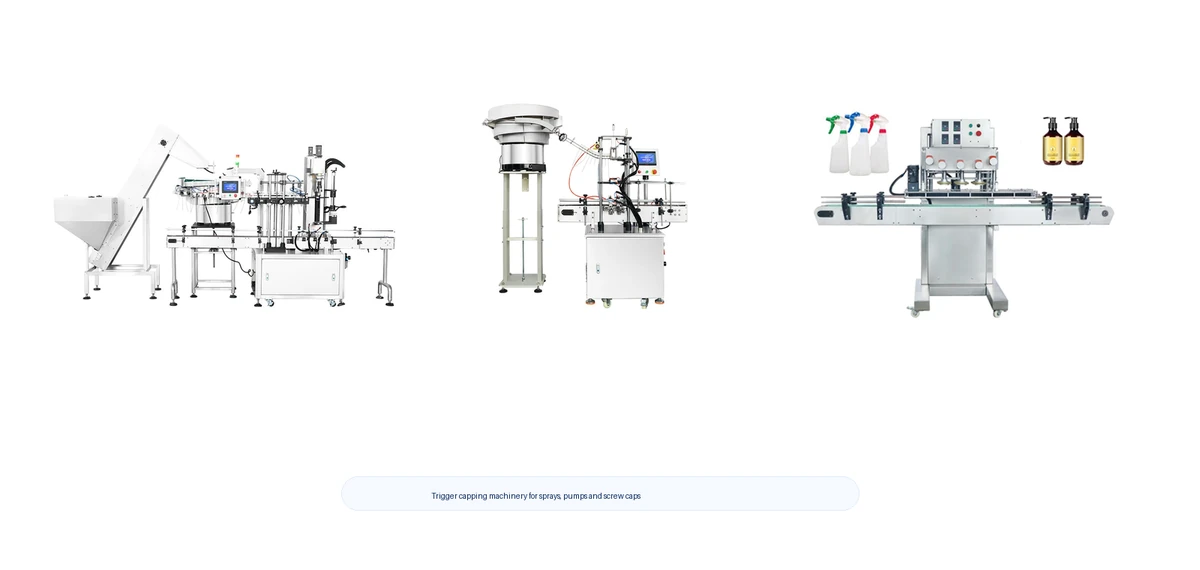
Specification priorities
These notes help narrow the shortlist before a machine quote is prepared.
Manual-assisted, compact automatic and fully automatic routes have very different scope and cost.
Automatic trigger cap feeding and dip-tube handling add complexity but can reduce labour and improve consistency.
Filling, labelling, conveyors, installation, training and change parts should be considered when comparing quotes.
Commercial scope
Trigger capper quotations can look very different because cap feeding, change parts, conveyors, testing and site work may be included or excluded. A like-for-like scope is essential before comparing cost.
Bulk loading, bowl or centrifugal orientation, track buffering, tube protection and reject handling can be a major part of an automatic project.
More bottles and closures usually mean additional guides, chucks, stars, pick heads, tracks, recipes and validation time.
PLC/HMI scope, safety circuits, line interlocks, conveyors, inspection and connection to existing machinery all affect project cost.
Sample trials, FAT, documentation, shipping, installation, commissioning, training, spares and maintenance should be explicit in the quote.
| Base machine | State exactly which capping functions and standard tooling are included. |
|---|---|
| Feeder and hopper | Bulk loading, orientation, track, buffer, controls and closure-specific tooling. |
| Bottle handling | Conveyor, guides, clamps, side belts, neck support and format parts. |
| Inspection/rejects | Cap presence, height, orientation, reject device, confirmation and collection. |
| Change parts | Quantity, storage, identification and setup documentation for each SKU. |
| Testing | Sample quantity, FAT duration, target output, quality criteria and repeat tests. |
| Site work | Delivery, positioning, utilities, integration, commissioning, training and production support. |
| Lifecycle support | Recommended spares, warranty, response route, planned service and software backups. |
Machine comparison
Use these machine routes to compare the practical equipment options before sending samples for review.
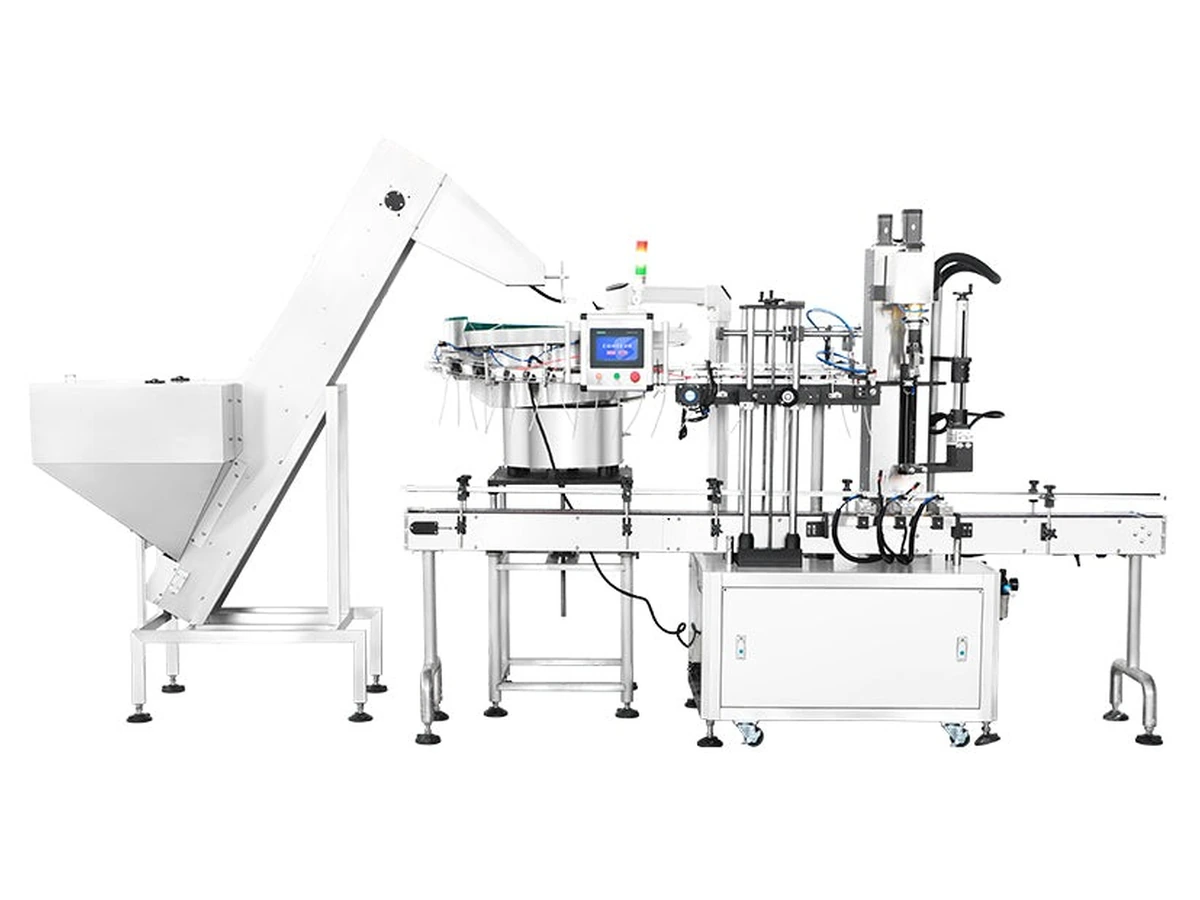
Automatic capping route for cleaning, home-care and chemical bottles with trigger sprayers.
View machine →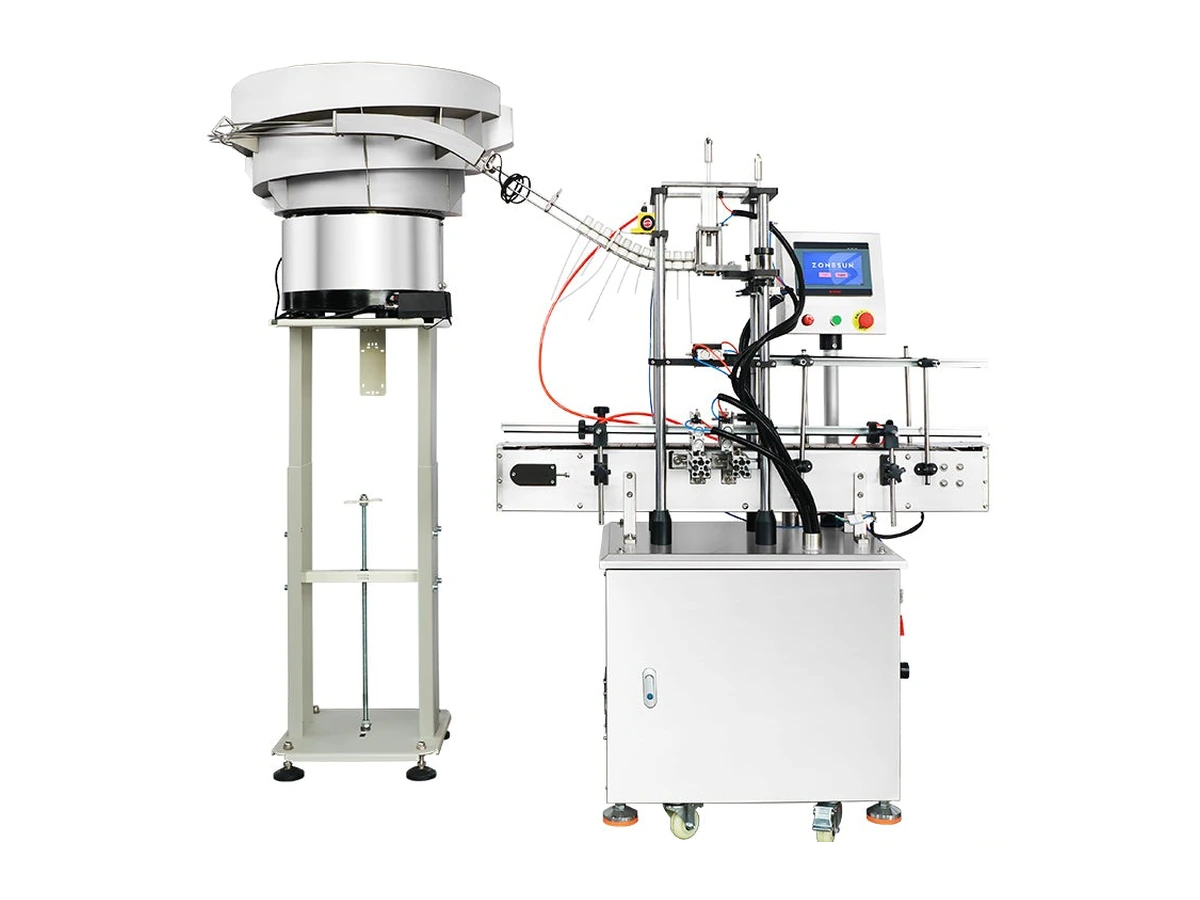
Cap feeding and orientation route for trigger sprayers with soft dip tubes.
View machine →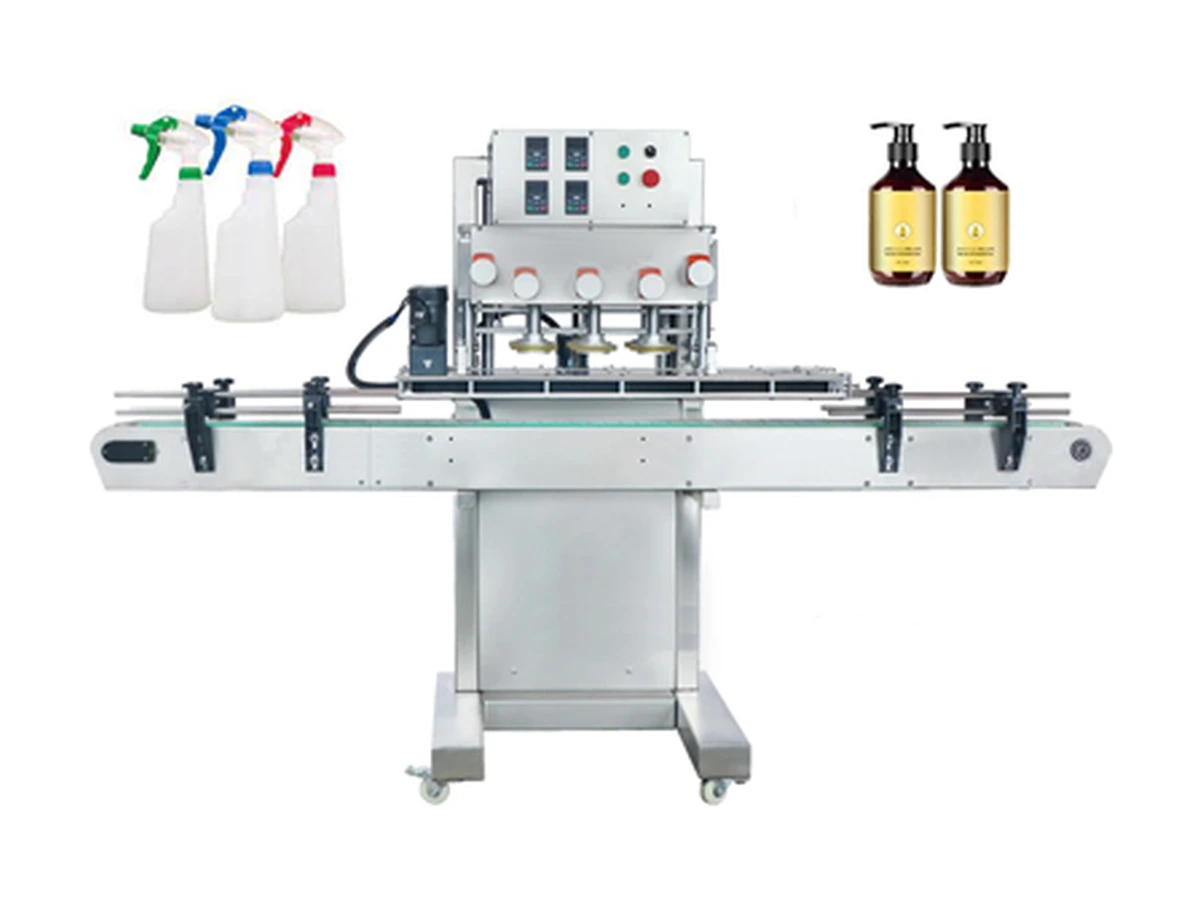
High-output inline belt/spindle capping route for compatible screw and spray closures.
View machine →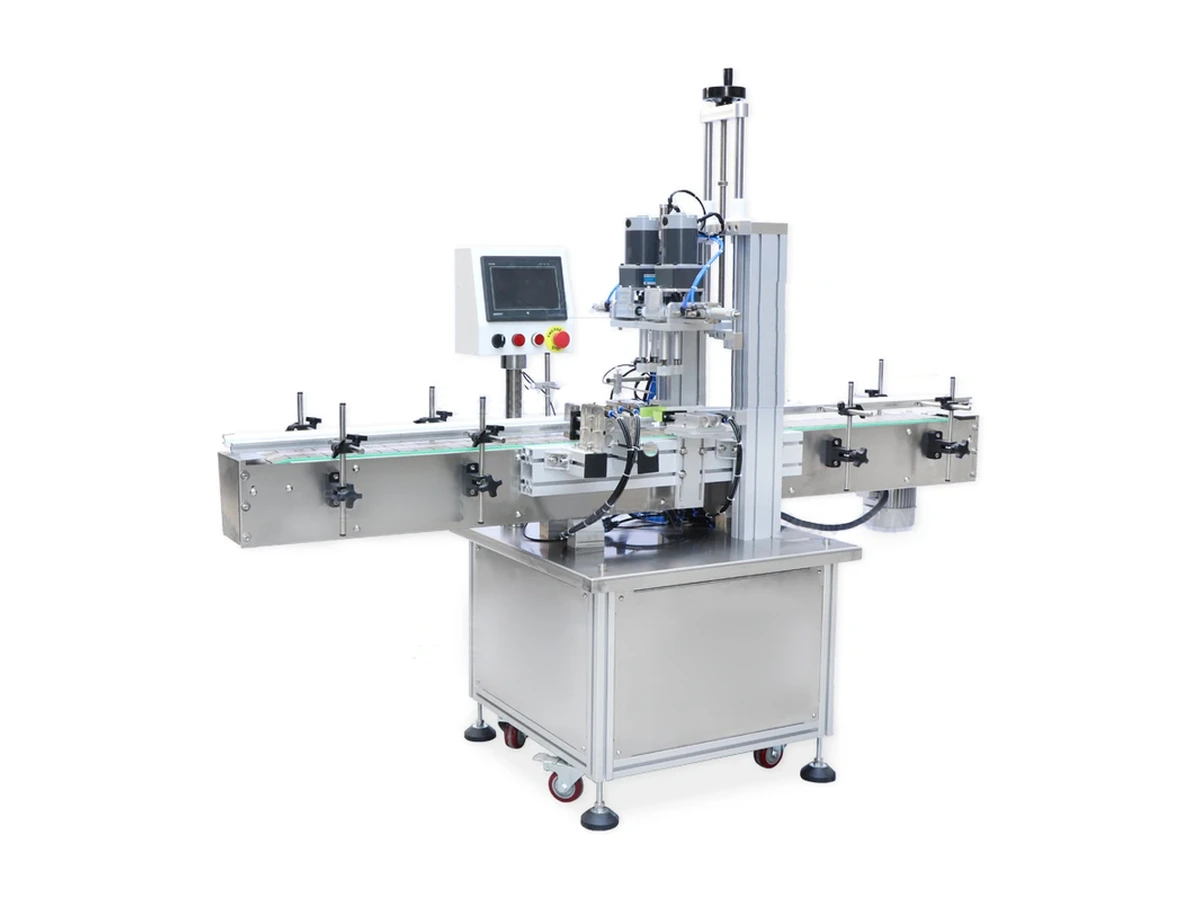
Inline screw capping route for spray, pump and screw-cap bottles with controlled torque.
View machine →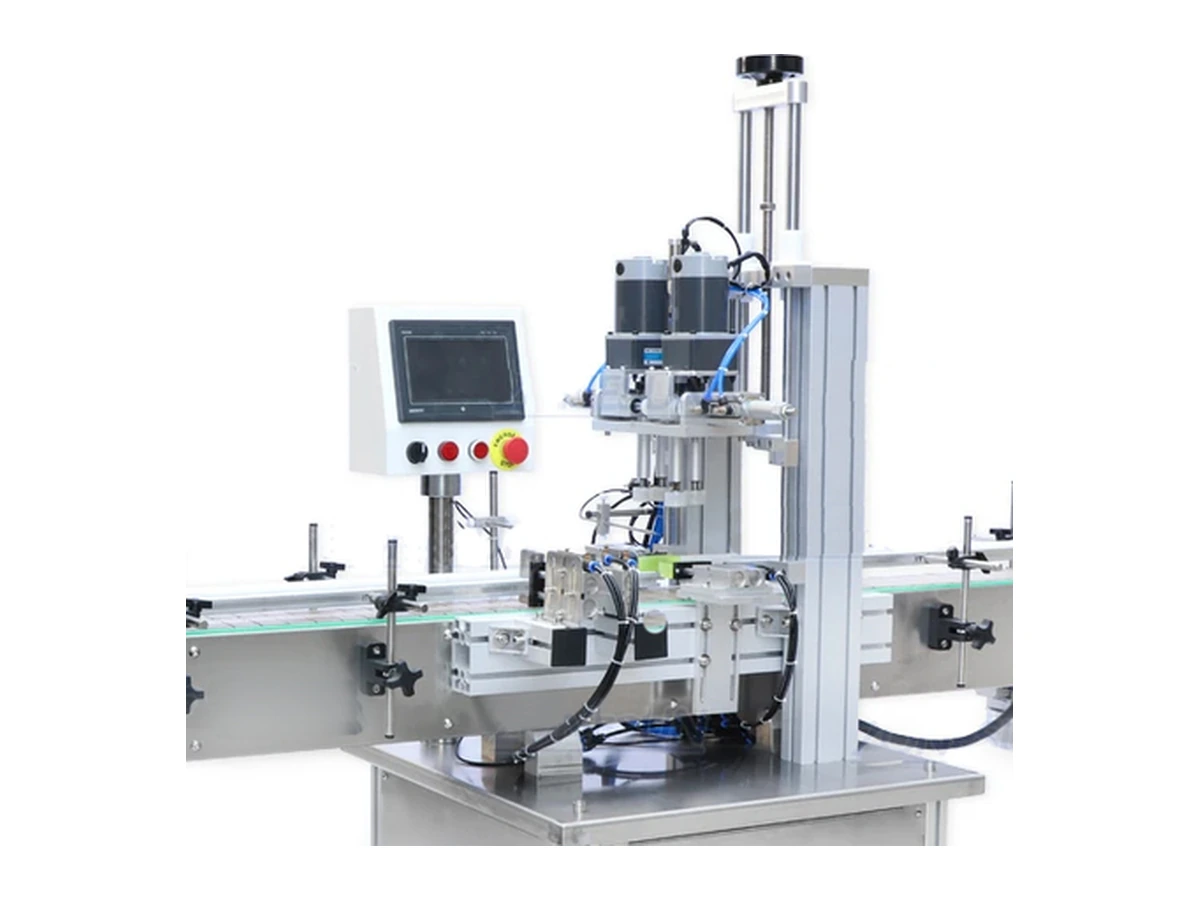
Space-saving capping option for smaller production areas and compact bottle lines.
View machine →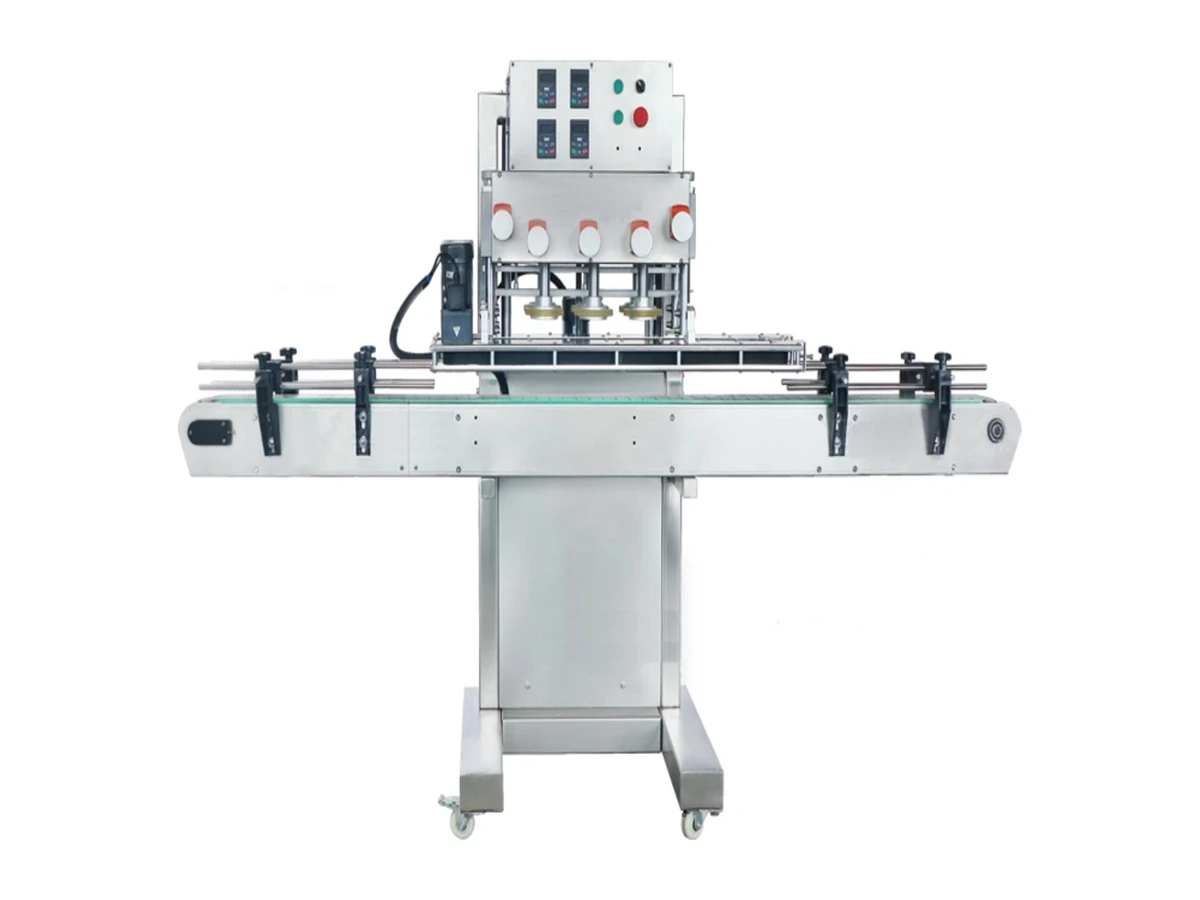
Operator-assisted capping route for lower-volume projects and smaller batches.
View machine →Topic cluster
These pages support the same trigger capping decision from different product, closure and automation angles.
Overview route for UK trigger capping machine buyers.
Read page →Specific route for trigger sprayers, dip tubes and cap feeding.
Read page →Higher-output automatic capping route for spray bottle lines.
Read page →Cap feeding and orientation route for awkward trigger sprayer closures.
Read page →Guidance around dip-tube placement, tube length and bottle neck entry.
Read page →Compare pump, dispenser and trigger capping routes.
Read page →What to send before requesting pricing or a machine recommendation.
Read page →Compare output, labour and automation level for trigger capping projects.
Read page →FAQs
The cap and bottle determine tooling, feeding and handling requirements, so a generic price can be misleading.
Send bottle and cap samples, output target, pack sizes, photos of the current line and any changeover requirements.
Yes. Lancing can compare the practical differences between assisted, compact and fully automatic capping routes.
Send the bottle, cap, tube length, output target and current line details. Lancing can help shortlist the right route.