Output planning

Trigger capper output guide for bottles per minute planning

Plan realistic trigger capping output by looking at cap feeding, bottle handling, labour, changeovers and the wider packaging line.

Buyer guidance

What this page helps you decide

Plan realistic trigger capping output by looking at cap feeding, bottle handling, labour, changeovers and the wider packaging line.

  • Manual placement versus automatic feeding
  • Realistic bottles per minute calculations
  • Labour, changeovers and downtime planning
  • Cap feeder and conveyor bottlenecks
  • Future growth and upgrade path
Trigger capper output guide for bottles per minute planning

Specification notes

Practical points before shortlisting machinery

These notes are written for buyers comparing a real trigger capping project, not for generic catalogue browsing.

Why output is not only the capping head speed

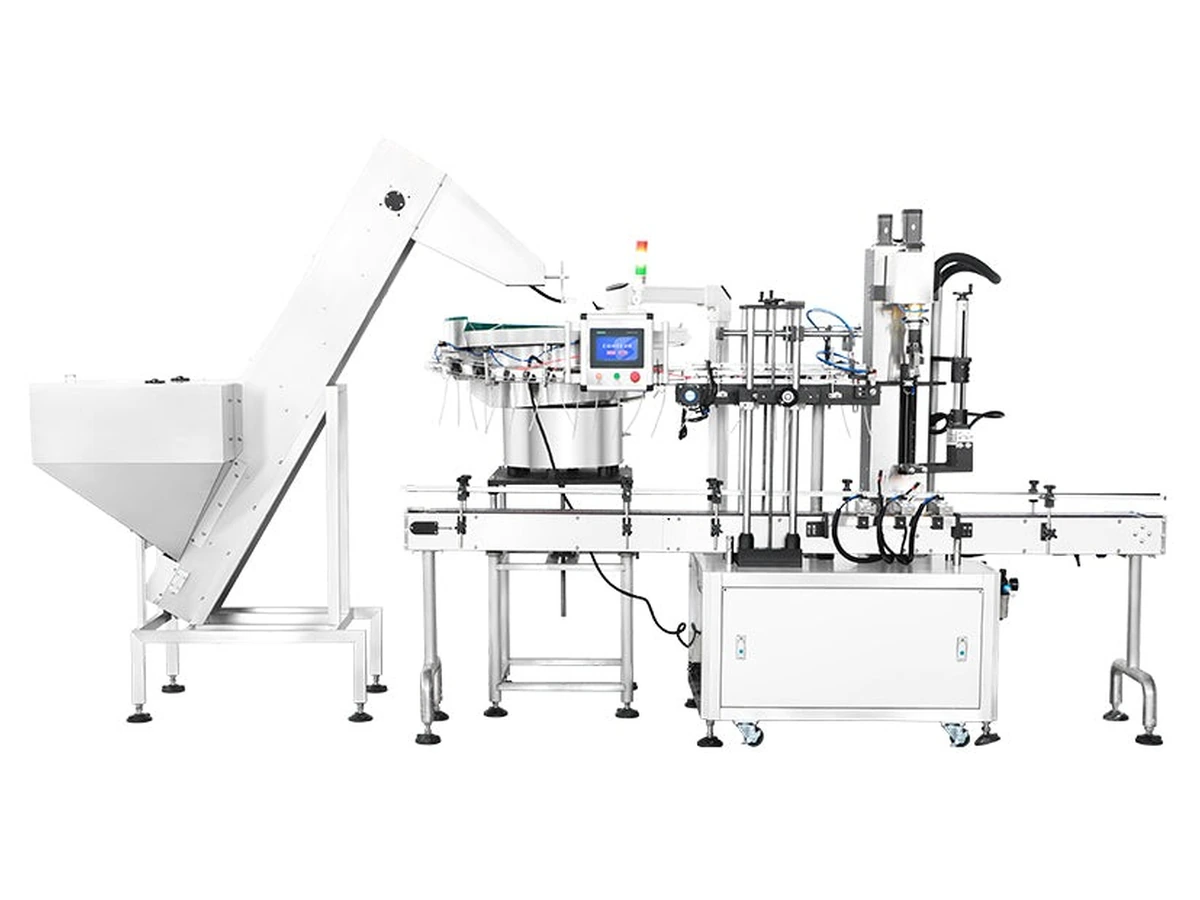
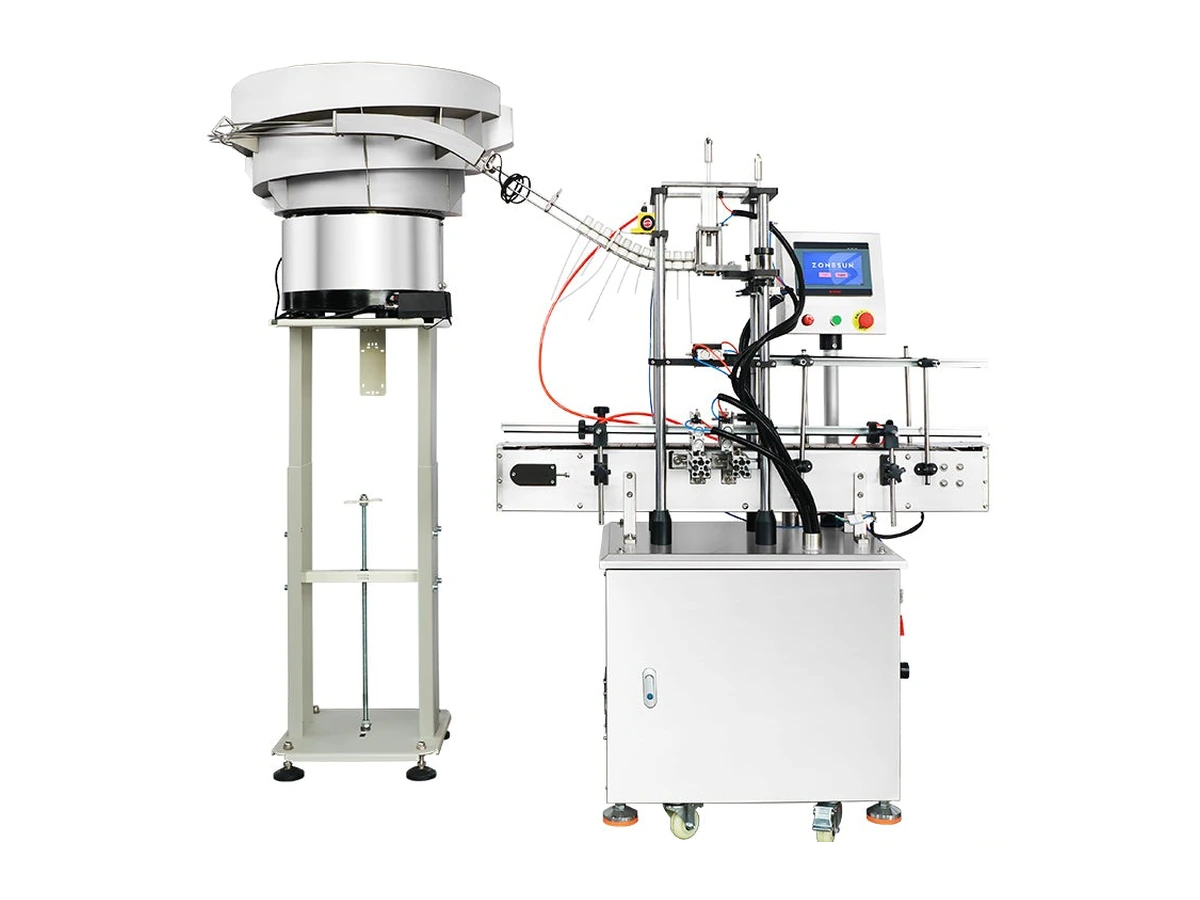
The capping head may have a rated speed, but real production depends on cap feeding, bottle spacing, operator loading, tube entry, rejects, changeovers and downstream labelling. For trigger sprayers, the cap presentation step is often the limiting factor.
Matching automation to output

Small batches may suit semi-automatic capping where an operator places caps and the machine tightens consistently. Growing lines may use compact or inline machinery to reduce labour. Higher-output lines usually need automatic cap feeding, conveyor control and integration with upstream and downstream equipment.

How to calculate a useful target

Start from daily or weekly production volume, available shift hours, changeover time and expected downtime. Then set a target bottles-per-minute range that the whole line can support. This approach creates a more realistic quote request than simply asking for the fastest possible machine.

Output planning

Separate machine cycle, sustained output and finished-line output

A realistic capacity target accounts for cap feeding, bottle spacing, operator replenishment, micro-stops, rejects and downstream equipment. Quoting only the fastest machine cycle can produce an unbalanced line.

Machine cycle rate

The mechanical rate of the capping station under controlled conditions. It does not automatically include feeder interruptions, bottle gaps or downstream stops.

Sustained machine output

The rate achieved over a representative run with normal replenishment, minor faults and quality checks included.

Finished-line output

Accepted, labelled and packed bottles leaving the complete line after rejects and other machine constraints.

Changeover-adjusted capacity

Weekly or shift capacity after product changes, cleaning, setup verification, planned maintenance and breaks.

Target unitUse bottles per minute/hour and state whether the figure is gross, accepted or packed output.
Run durationSpecify the representative measurement period and whether replenishment is included.
Feeder marginClosure feeder sustained rate should exceed station demand with enough buffer for normal variation.
Bottle gapsAccount for filler discharge pattern, conveyor accumulation and unstable bottle handling.
Reject rateDefine acceptable rejects and whether rework is practical or counted as lost output.
Operator tasksBulk loading, sample checks, clearing faults, packing and other duties that affect availability.
ChangeoversNumber per shift/week, average duration and first-off approval process.
Downstream limitLabeller, coder, inspection, case packing or manual packing capacity.

Machine options

Trigger capping machines to compare

Use these product pages to compare available machine families and then send Lancing your sample details for configuration advice.

Related search routes

Pages that support this buying decision

These internal routes strengthen the trigger-capping topic cluster and help users move from research into a machine enquiry.

FAQs

Questions buyers ask

Why is average output lower than rated output?

Rated output does not always include loading, changeovers, cap feeding issues, rejects or downstream constraints.

Can a semi-automatic capper increase output?

Yes, where manual tightening is slow or inconsistent. However, the operator still controls cap placement and loading rate.

When should I consider automatic cap feeding?

Consider automatic feeding when manual placement limits speed, consistency or labour efficiency.

Need a trigger capping recommendation?

Send the bottle, cap, tube length, output target and current line details. Lancing can help shortlist the right route.

Call now01494 623015