Buyer guide

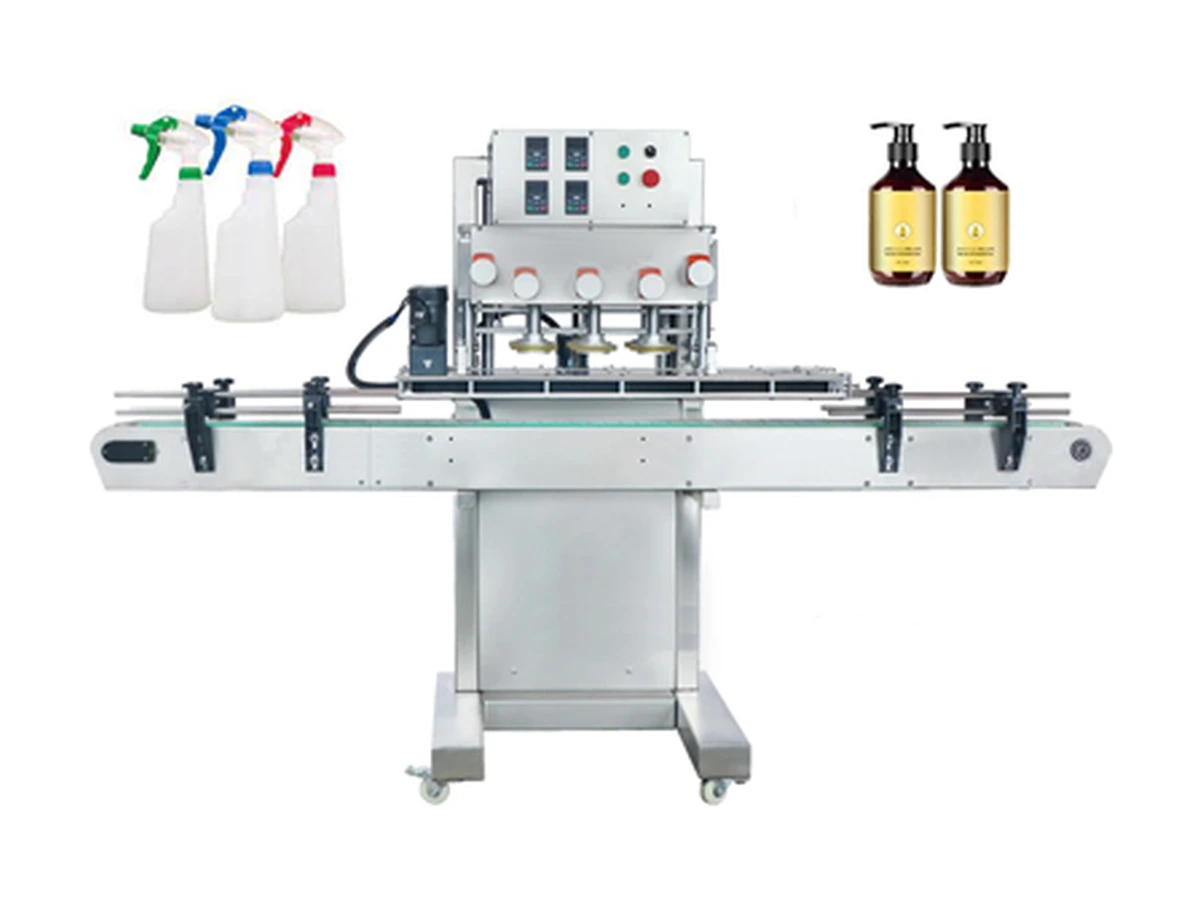
How to choose a trigger capping machine

A practical checklist for choosing trigger-spray capping equipment, cap feeding routes and automation level.

Step 1

Start with the physical closure

Trigger sprayers are awkward because the body is asymmetric and the dip tube can bend. The machine must be selected around the real cap sample, not just a catalogue diameter. Check cap diameter, trigger body width, tube length, tube stiffness and how the closure arrives at the machine.

Where caps are inconsistent, a bowl feeder, elevator, gripper or tube straightening system can make more difference than a higher headline speed.
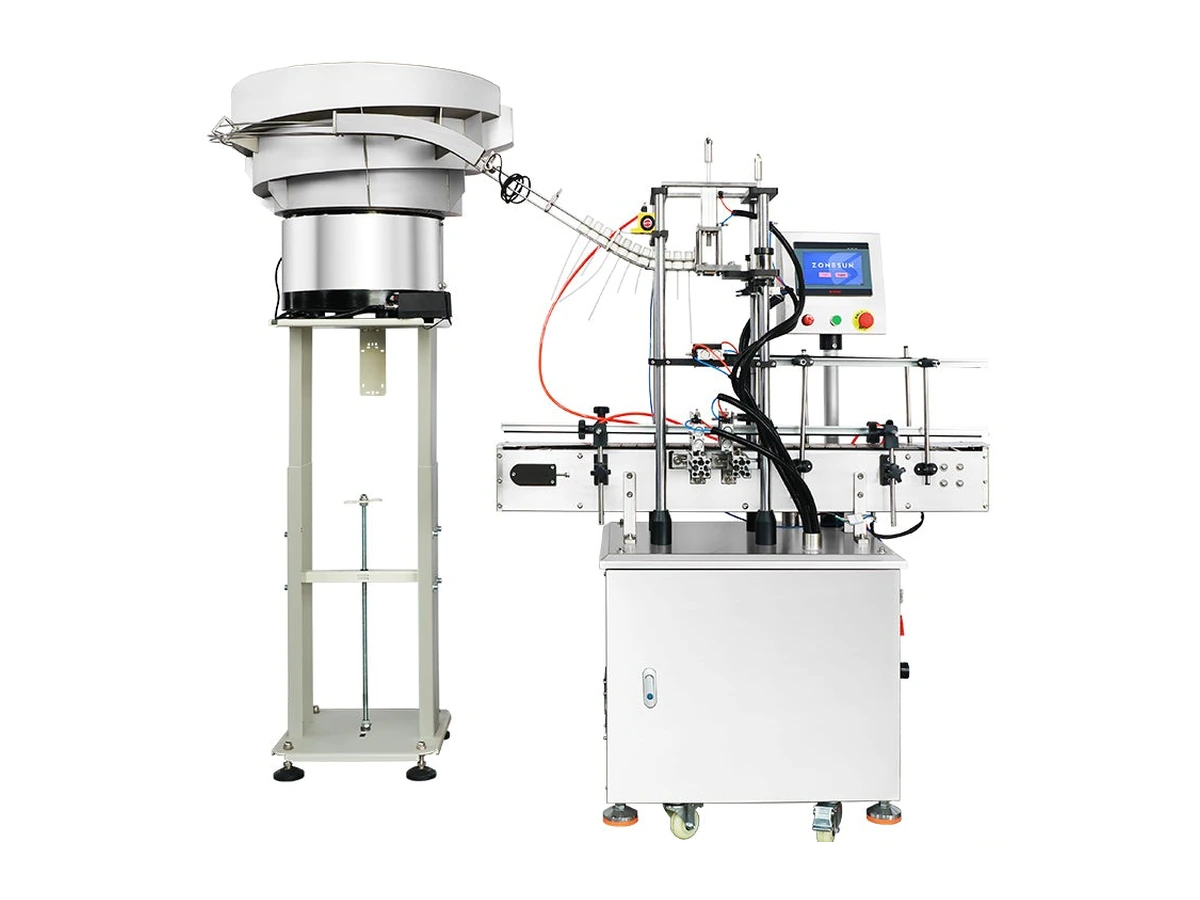
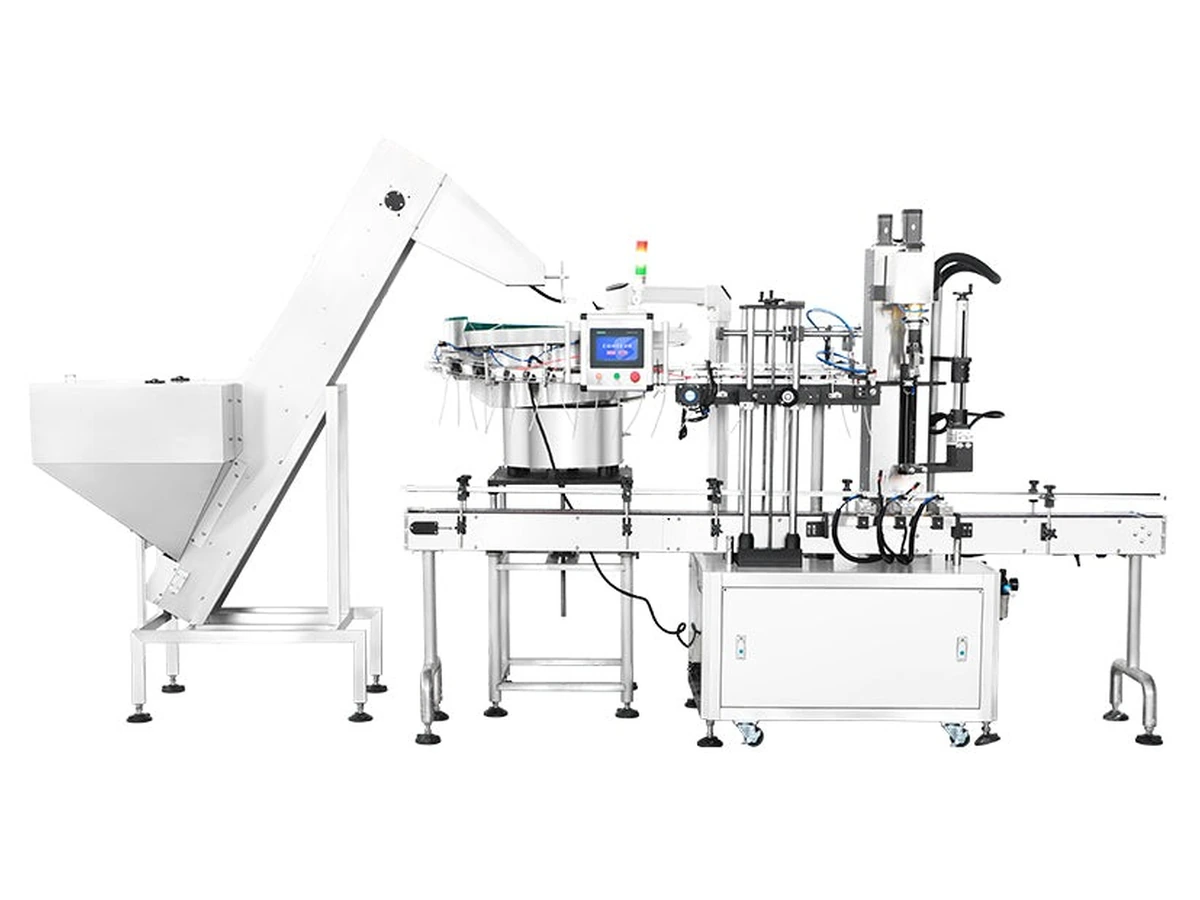
Trigger cap feeder equipment

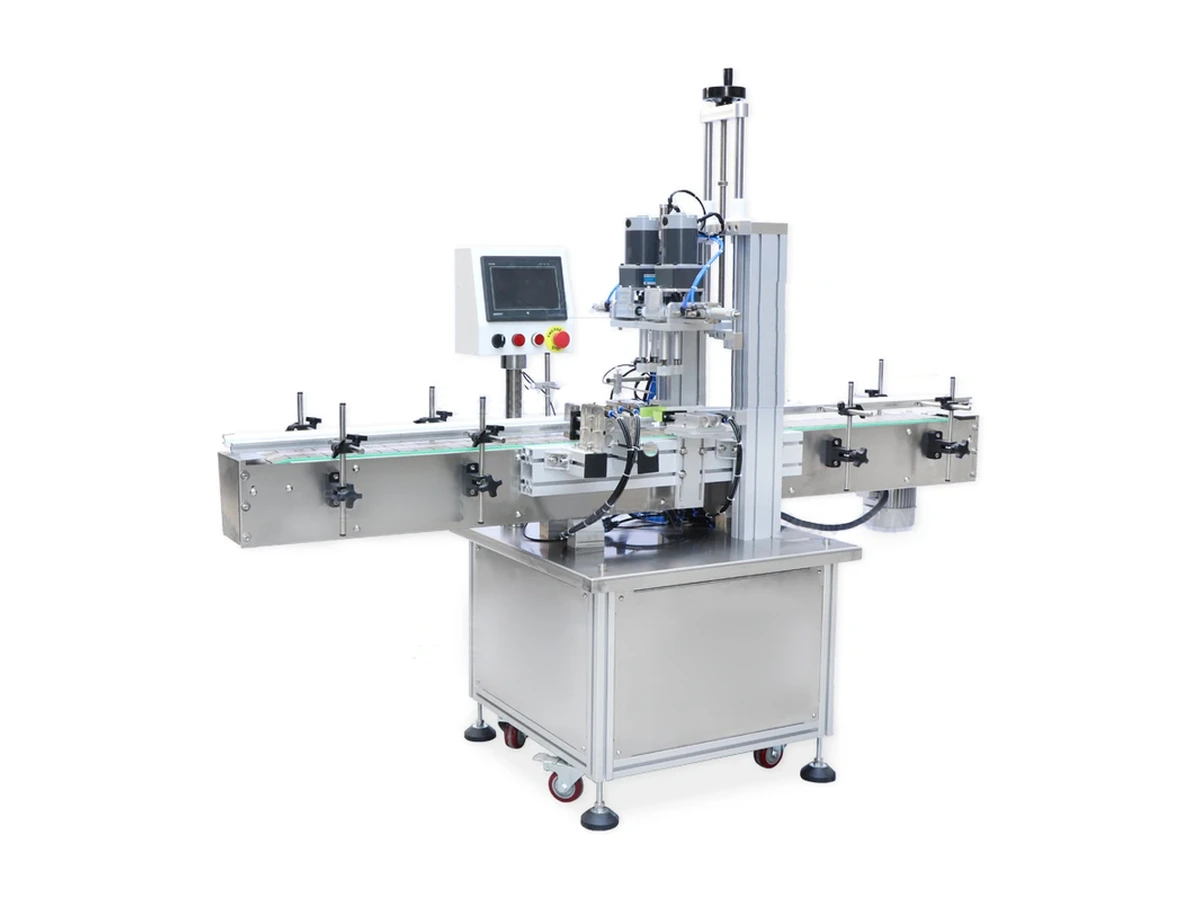
Manual presentation

Lower-cost route for smaller batches where the operator places caps before tightening.

Feeder assisted

Useful where trigger caps need sorting, orientation and controlled presentation.

Fully automatic

Best for larger outputs where cap feeding, placement, tube handling and tightening are part of the same line.

Checklist

What to confirm before requesting a quotation

Bottle format

Diameter, height, weight, shape, material, shoulder design and stability through conveyor guides.

Cap and tube

Trigger body size, cap diameter, tube length, tube stiffness, thread style and closure torque expectation.

Output and labour

Target bottles per minute, operator loading method, shift pattern and future capacity plans.

Line interfaces

Existing filler, conveyor height, labeller, coding, accumulation and available air and electrical services.

Compare machines

Trigger capping machines to consider

Call now01494 623015