SKU range
List every bottle, cap and tube combination before finalising the machine specification.

Changeover planning
Changeover is a major commercial factor on trigger capping lines. If bottle sizes, trigger caps and labels change frequently, the machine route must be easy to adjust and clear for operators to run.
Buyer guidance
This page is aimed at contract packers and manufacturers running multiple bottle and trigger formats. The right machine route depends on the cap, bottle, dip tube, output target and the wider line rather than the machine name alone.
Specification priorities
These points help narrow the shortlist before samples are reviewed or a formal quotation is prepared.
List every bottle, cap and tube combination before finalising the machine specification.
Guides, belts, chuck heights and feed routes should be practical to adjust.
Clear handover helps reduce setup errors and repeat stoppages after installation.
Related machinery
Use these machine routes to compare the practical equipment options before sending samples for review.
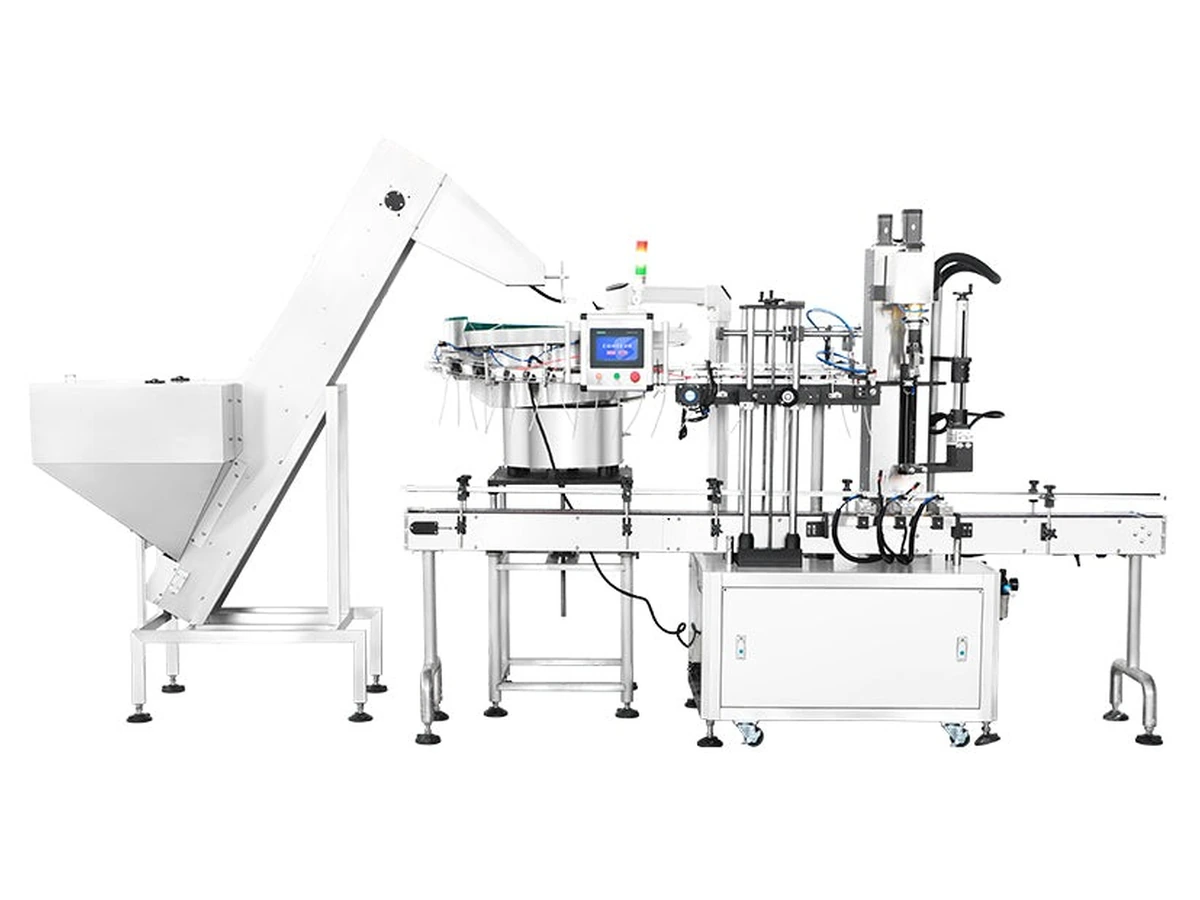
Automatic capping route for cleaning, home-care and chemical bottles with trigger sprayers.
View machine →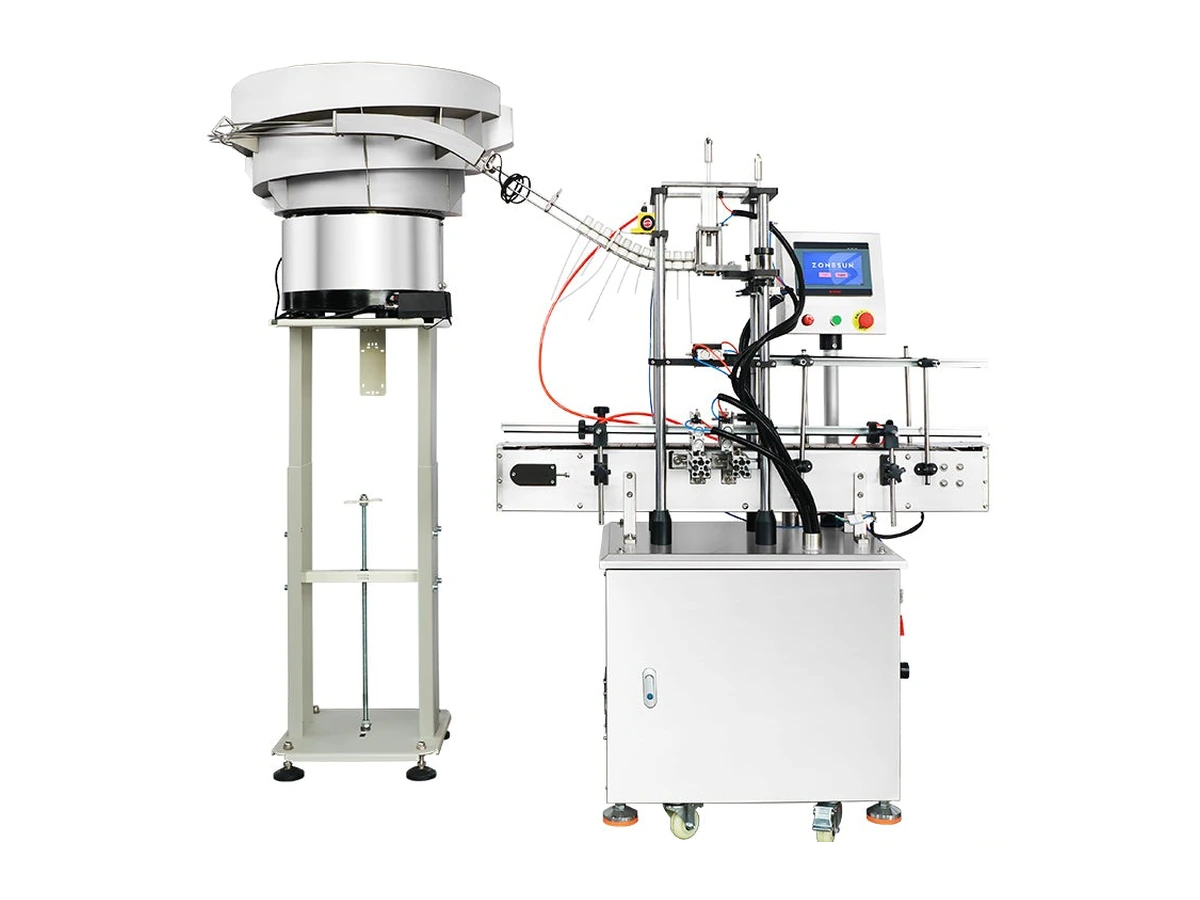
Feeding and orientation route for trigger sprayers with soft dip tubes.
View machine →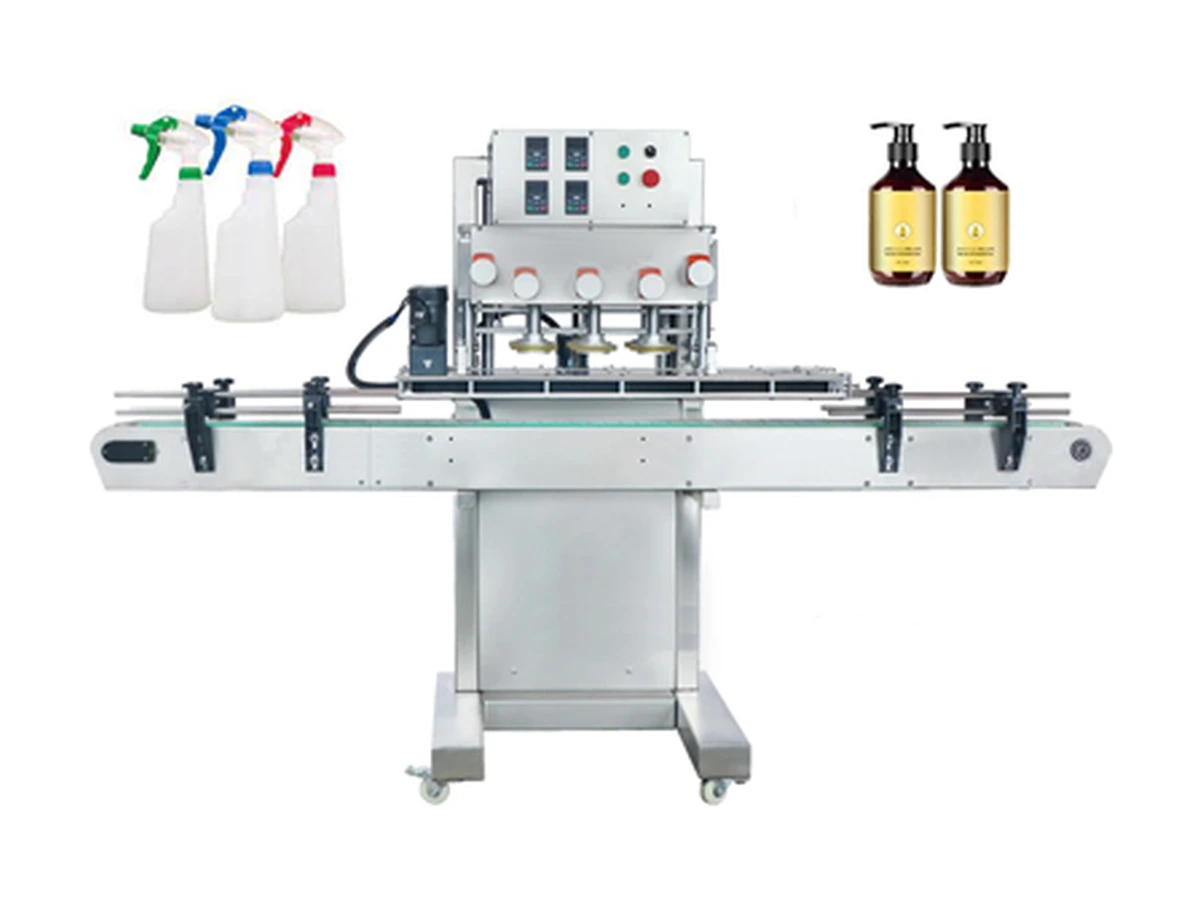
High-output inline belt and spindle capping route for compatible screw and spray closures.
View machine →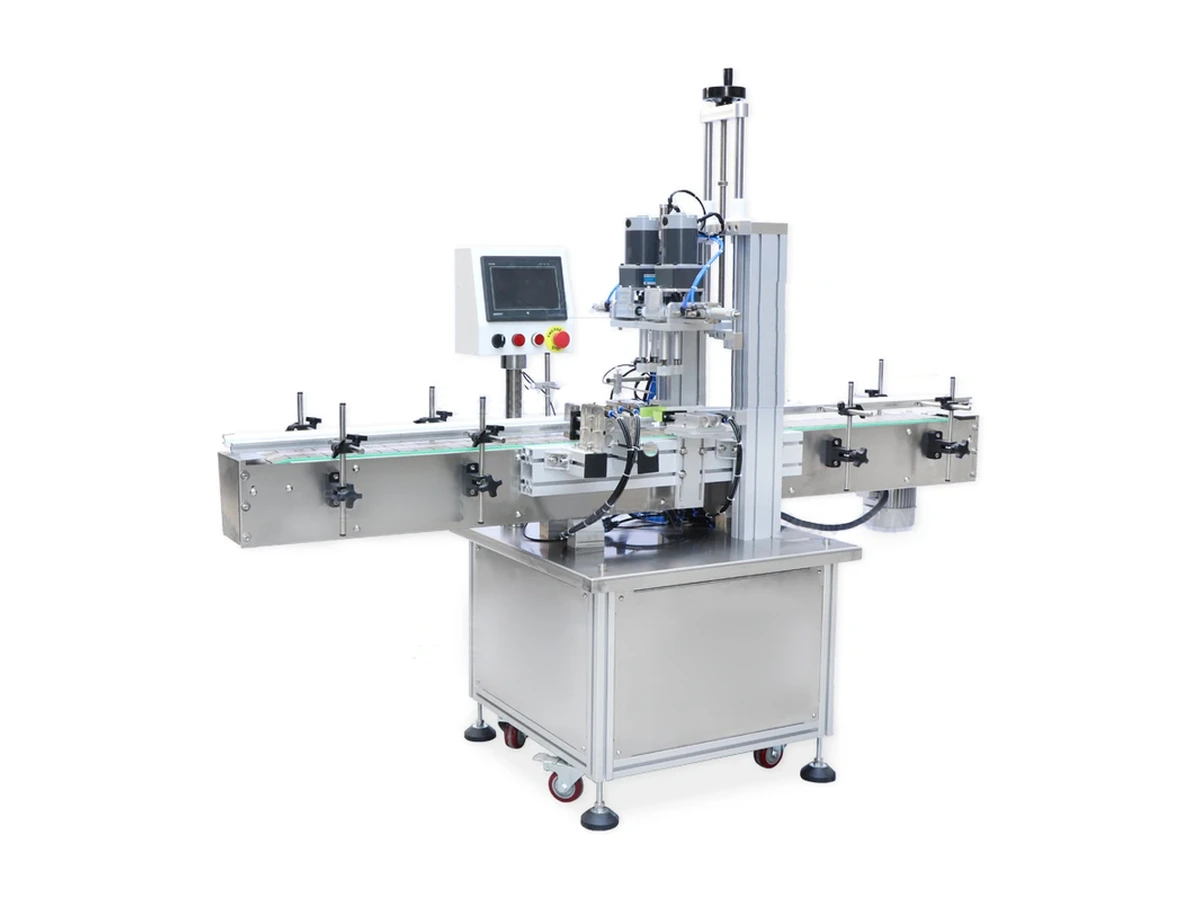
Automatic screw capping route for repeatable cap placement, torque and line integration.
View machine →Quick answers
A machine that is fast on one format can lose efficiency if it is difficult to adjust between products.
Often, but the practical changeover time and necessary change parts should be reviewed early.
Yes. Lancing can discuss flexible machinery routes for multi-SKU and changeover-heavy operations.
Send bottle samples, trigger caps, dip-tube length, product details and target output. Lancing can help compare semi-automatic, compact and automatic routes.
Format control
A multi-SKU trigger-capping line should not rely on one generic setup note. Each bottle, neck, trigger body and dip tube creates a defined format, and the approved setup should identify every item that changes before the first bottle is released to production.
| Format item | Record for the setup | First-off confirmation |
|---|---|---|
| Bottle and neck | Container reference, filled condition, neck finish, body profile, height and the guide surfaces that may be contacted. | Bottle enters upright, remains controlled and is not crushed, marked or twisted by guides or supports. |
| Trigger body and nozzle | Closure reference, thread, skirt, actuator shape and any required final nozzle direction. | Closure is presented in the agreed orientation and reaches the placement point without damage. |
| Dip tube | Length, material, stiffness, curvature and the production-age condition represented by the trial sample. | Tube enters the bottle without kinking, trapping, cutting or remaining outside the neck. |
| Feeder and transfer tooling | Bowl or track parts, rails, gates, grippers, sensors, buffer settings and the correct hand-off point. | Closures separate, orientate and transfer without excessive recirculation or false presentation. |
| Bottle guides and support | Guide widths, side support, hold-down or star-wheel parts, conveyor height and bottle pitch. | The least stable agreed bottle remains located during placement, thread start and tightening. |
| Placement and pre-threading | Head height, centring, tube-entry path, seating position and the method used to establish the thread. | No cocked caps, cross-threading, trapped tubes or unexplained high-cap results. |
| Tightening and quality method | Tool or spindle setup and the agreed cap-height, torque and visual inspection method. | Finished packs meet the documented checks using the same instrument, timing and reference points. |
| Controls and recipe | Recipe identifier, permitted adjustments, sensor positions, timing values and the reset or restart checks that apply to the format. | Correct recipe is selected, protected settings remain within authority and the first accepted sample is signed off. |
Remove retained bottles and closures from the infeed, feeder, track, transfer path, capping station and discharge. Mixed components can create faults that look like an incorrect machine setting.
Completing the mechanical change does not release the line. Use controlled initial cycles and inspect tube entry, thread engagement, cap height, torque, orientation and bottle condition before normal production.
Keep the approved setup sheet, tooling list, reference photographs, first-off sample and any agreed limits. This gives the next changeover a controlled starting point rather than a new trial.
A jam may move a guide, disturb a trigger in the transfer route or leave a bottle between stages. After safe clearance, inspect the full affected path, remove uncertain components and repeat the first-off checks that relate to the disturbed station. The aim is not simply to restart the conveyor; it is to prove that the approved format state has been restored.