Define the pack
Start with bottle size, neck finish, trigger cap type, dip-tube length and filled weight.

Trigger Capper Service Support UK
This guide is for existing or prospective owners planning ongoing service support. It explains the practical trigger capping considerations that affect specification, quotation and performance after installation.
Buyer guidance
This page is aimed at existing or prospective owners planning ongoing service support. The right machine route depends on the cap, bottle, dip tube, output target and the wider line rather than the machine name alone.
Specification priorities
These points help narrow the shortlist before samples are reviewed or a formal quotation is prepared.
Start with bottle size, neck finish, trigger cap type, dip-tube length and filled weight.
Compare required bottles per minute, shift pattern, batch size and operator availability.
Include installation, commissioning, operator handover, spares and practical aftercare in the project scope.
Related machinery
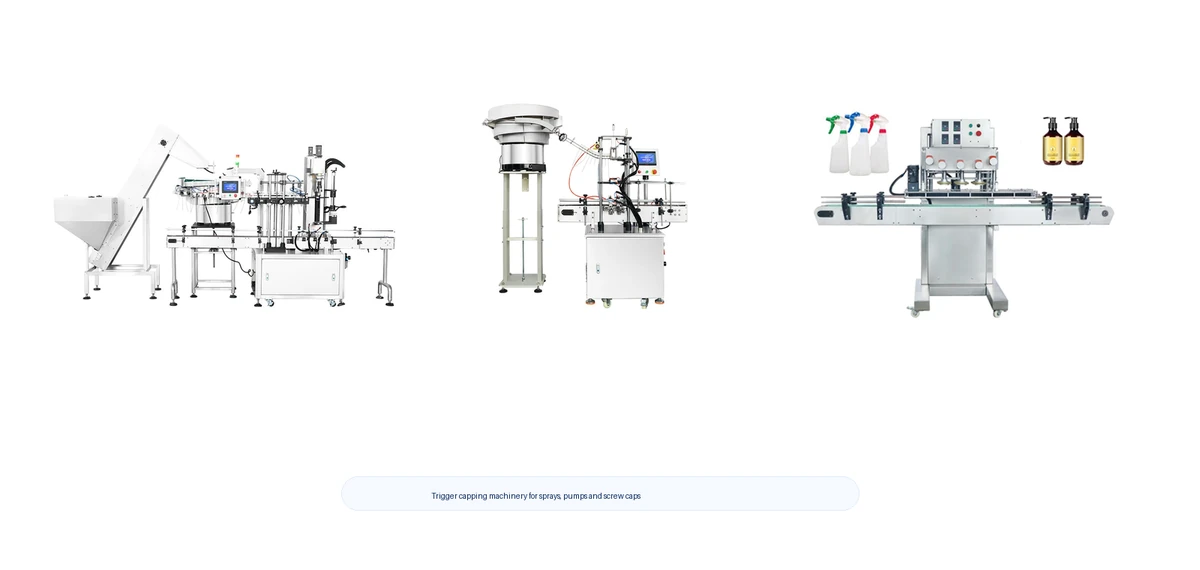
Use these machine routes to compare the practical equipment options before sending samples for review.
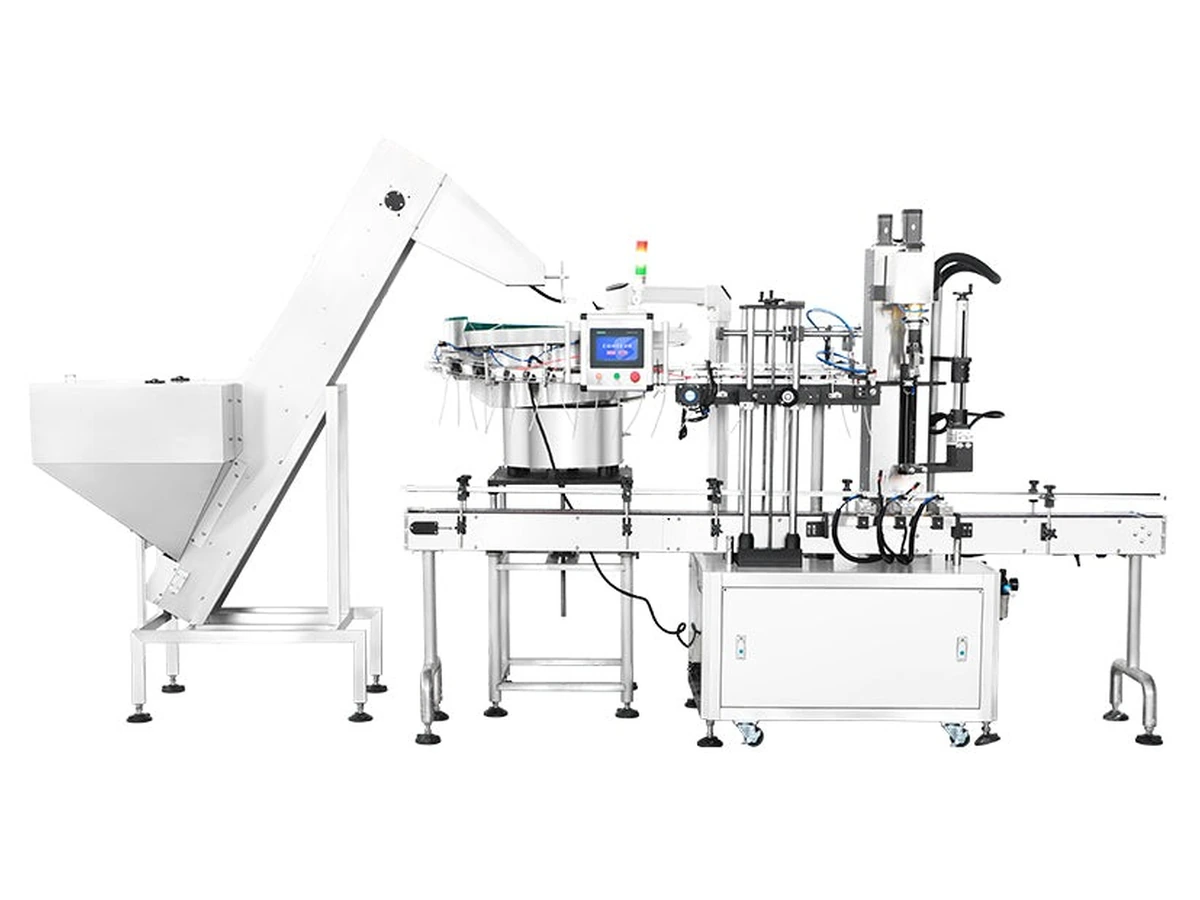
Automatic capping route for cleaning, home-care and chemical bottles with trigger sprayers.
View machine →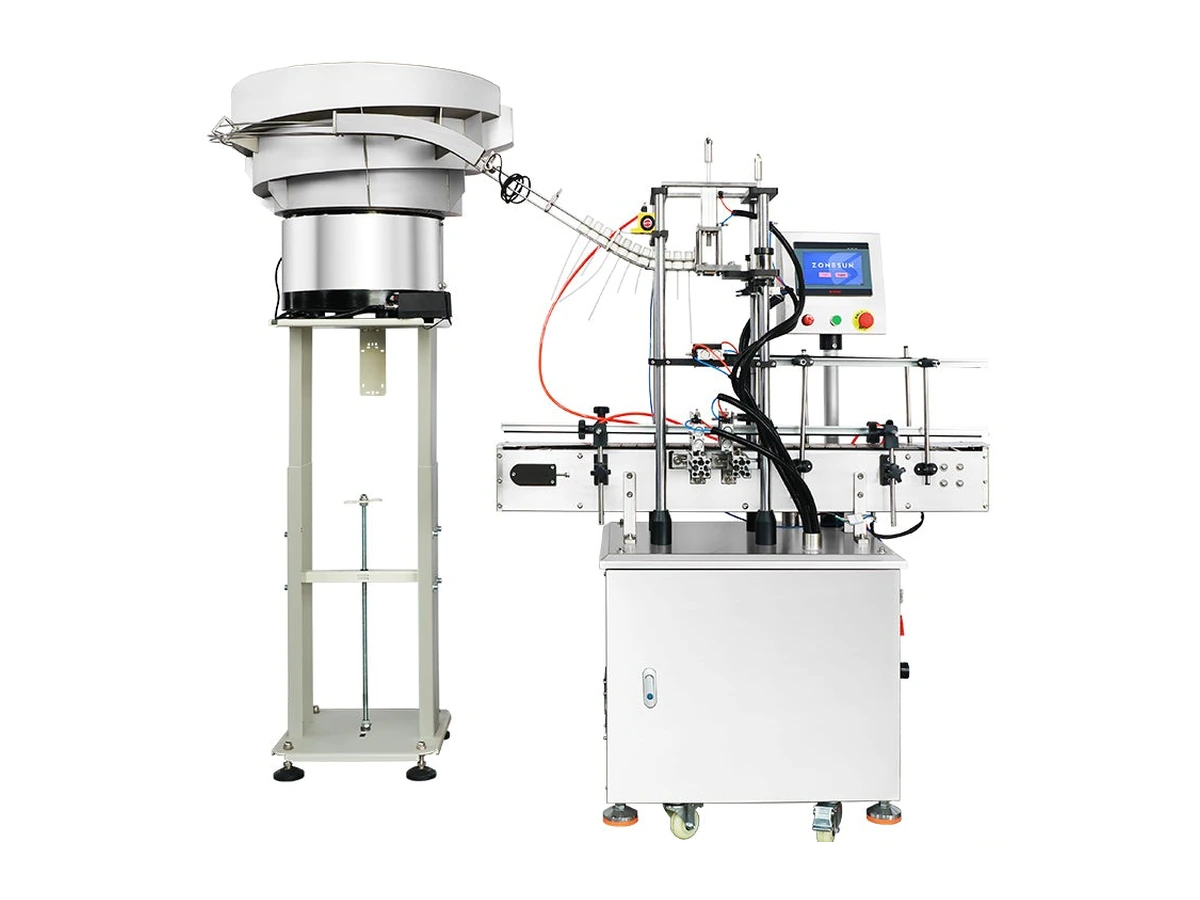
Feeding and orientation route for trigger sprayers with soft dip tubes.
View machine →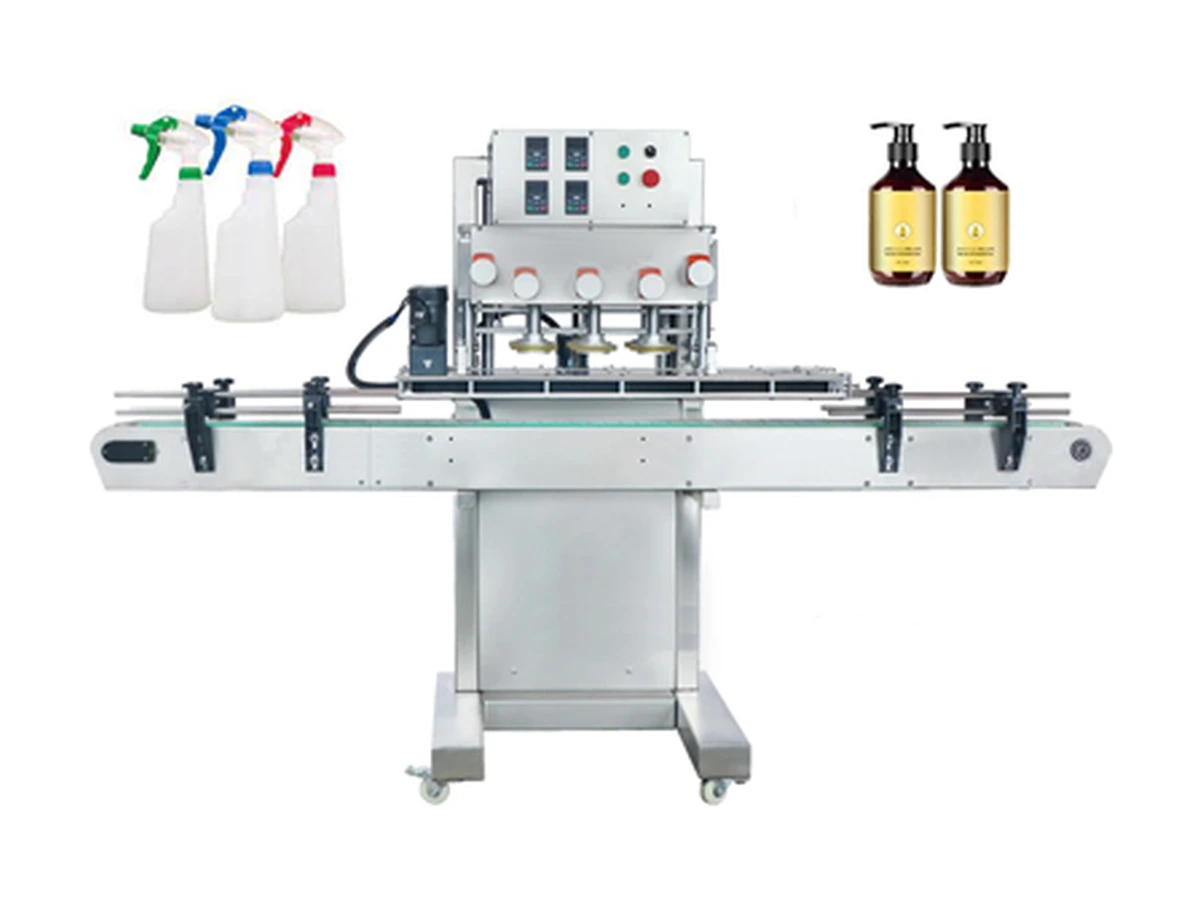
High-output inline belt and spindle capping route for compatible screw and spray closures.
View machine →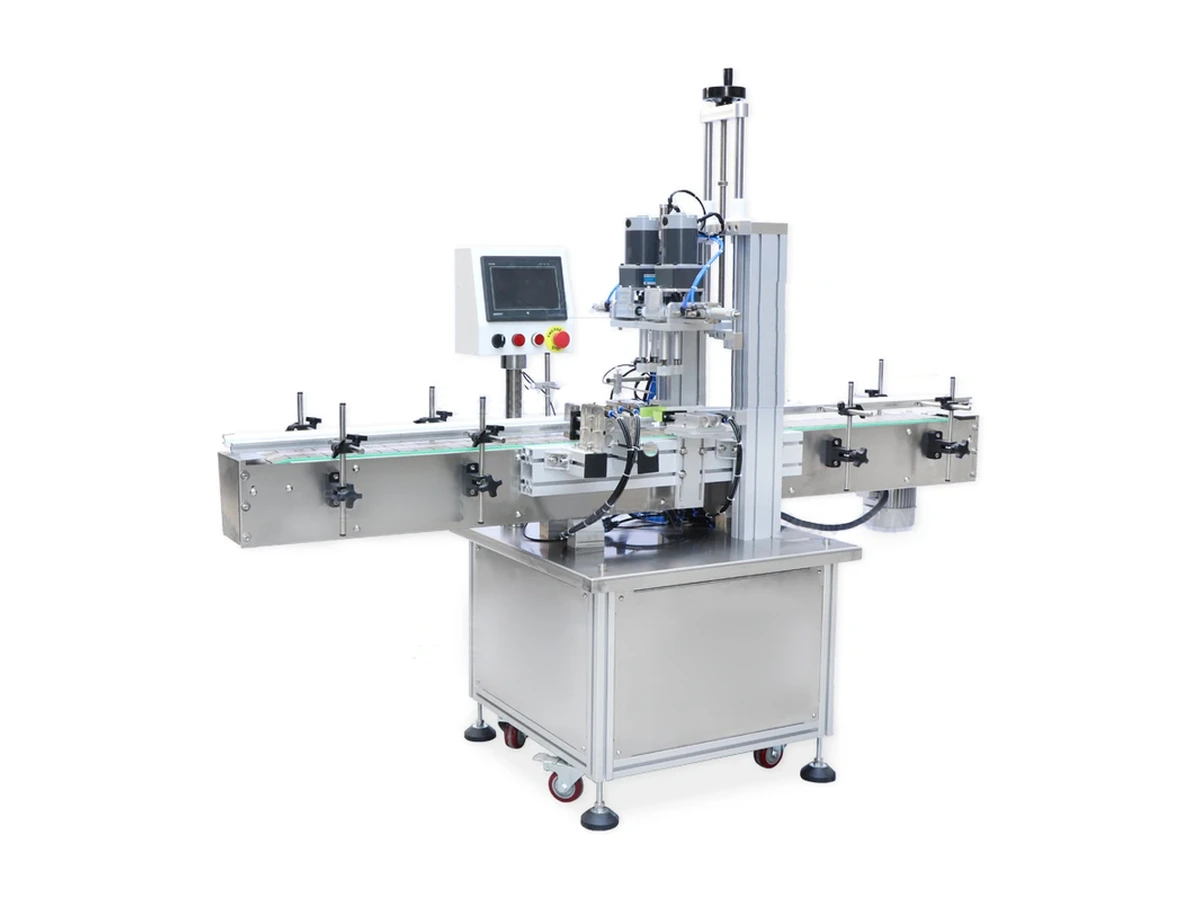
Automatic screw capping route for repeatable cap placement, torque and line integration.
View machine →Quick answers
Send bottle samples, trigger cap samples, tube length, product type, output target and line layout information.
Yes. Lancing can help compare manual-assisted, semi-automatic, compact and automatic trigger capping routes.
Yes. Filling speed, conveyors, labelling and pack-off can all affect the best capping-machine route.
Send bottle samples, trigger caps, dip-tube length, product details and target output. Lancing can help compare semi-automatic, compact and automatic routes.
Support evidence
A clear event record helps separate a component fault from a changeover, closure, bottle, product or operating issue. Capture what happened while the condition is still reproducible, but do not bypass guards or continue cycling uncertain packs simply to obtain more footage.
| Evidence item | Useful detail | Why it matters |
|---|---|---|
| Machine identity and configuration | Machine or model reference, installed options, relevant tooling and the current format or recipe. | Support can compare the event with the correct equipment and avoid advice based on another configuration. |
| Affected bottle and closure | Bottle reference, fill condition, trigger or pump reference, thread, dip-tube length and samples of acceptable and failed packs. | Many apparent machine faults are format-specific and cannot be assessed from a cap diameter alone. |
| Exact event sequence | What the operator was doing, the last normal pack, the first failed pack and the stage at which the line stopped or quality changed. | A sequence is more useful than a general statement that the machine has stopped working. |
| Fault text and indicators | HMI message, fault code, sensor or station indicated and the line state immediately before reset. | This preserves information that may disappear after power cycling or repeated reset attempts. |
| Photographs and short video | Wide view of the station, close view of the affected component and a safe normal-speed sequence where permitted by site procedures. | Images can show bottle position, trigger orientation, tube path, guide settings and the physical point at which the issue develops. |
| What changed | Recent changeover, new batch of bottles or closures, maintenance work, adjustment, cleaning, software setting or upstream/downstream change. | The timing of a change can narrow the investigation without assuming that the newest change is automatically the cause. |
| Frequency and product boundary | Every cycle, intermittent, one SKU only, after replenishment, after a stop or after a defined number of bottles. | Frequency helps distinguish a repeatable setup issue from random damage or a wider line interaction. |
| Safe status and affected packs | Whether the machine is isolated or stopped, what remains in the transfer path and how uncertain bottles have been segregated. | Support can work from a known condition without losing the boundary between accepted and affected production. |
Check product around the bottle neck, fill condition, bottle deformation, closure variation, dip-tube curl and any change in component temperature or storage condition that could affect presentation.
Record guide positions, tooling, head height, recipe, sensor position and the first-off approval from the most recent changeover. Compare with the retained approved setup rather than adjusting several items at once.
Note unusual noise, wear, damage, loose parts, air or electrical indications and the exact station affected. Do not defeat an interlock or exceed the operator adjustment boundary to continue running.
Repeated resets can move the affected bottle or closure and remove the best evidence. Follow site safety and isolation procedures, retain the failed pack where practical, record the transfer path and note any bottle or trigger left between stages. After an authorised intervention, use the agreed first-off checks before returning the format to normal production.